
Dr. Rishi Chopra on the advanced lasers, ultrasound and regenerative treatments now available at Hudson Dermatology & Laser Surgery in Manhattan, New York City.
Hudson Dermatology & Laser Surgery is expanding its treatment offerings in their Manhattan office with a new group of advanced laser, ultrasound, microneedling and regenerative technologies. We’ve asked Dr. Chopra to share his thoughts on the new acquisitions.

Medical Expert: Dr. Rishi Chopra, MD, MS, FAAD, Board-Certified Cosmetic Dermatologist and Longevity Director at Hudson Dermatology & Laser Surgery
I’m excited to introduce Fraxel FTX, Sofwave, AVAVA, PRF, PRF EZ Gel and SkinPen to our patients at Hudson Derm. Each treatment works differently, giving us more options to address a multitude of concerns and create more individualized treatment plans for the entire spectrum of skin tones.
For patients, these additions mean more ways to improve sun damage and pigmentation, acne scars, fine lines and wrinkles, uneven texture, enlarged pores, hyperpigmentation, skin laxity, stretch marks, and overall skin quality. They also give us new ways to stimulate collagen, strengthen the skin, restore structural support and support the skin’s natural repair processes.
Together, these treatments allow us to take a more comprehensive approach to correcting existing concerns while supporting healthier, stronger skin over time.
Here’s what each treatment can do and why I’m excited to bring them to Hudson Dermatology in New York City.
Fraxel FTX: Smoother, Brighter Skin With One of Dermatology’s Most Proven Lasers
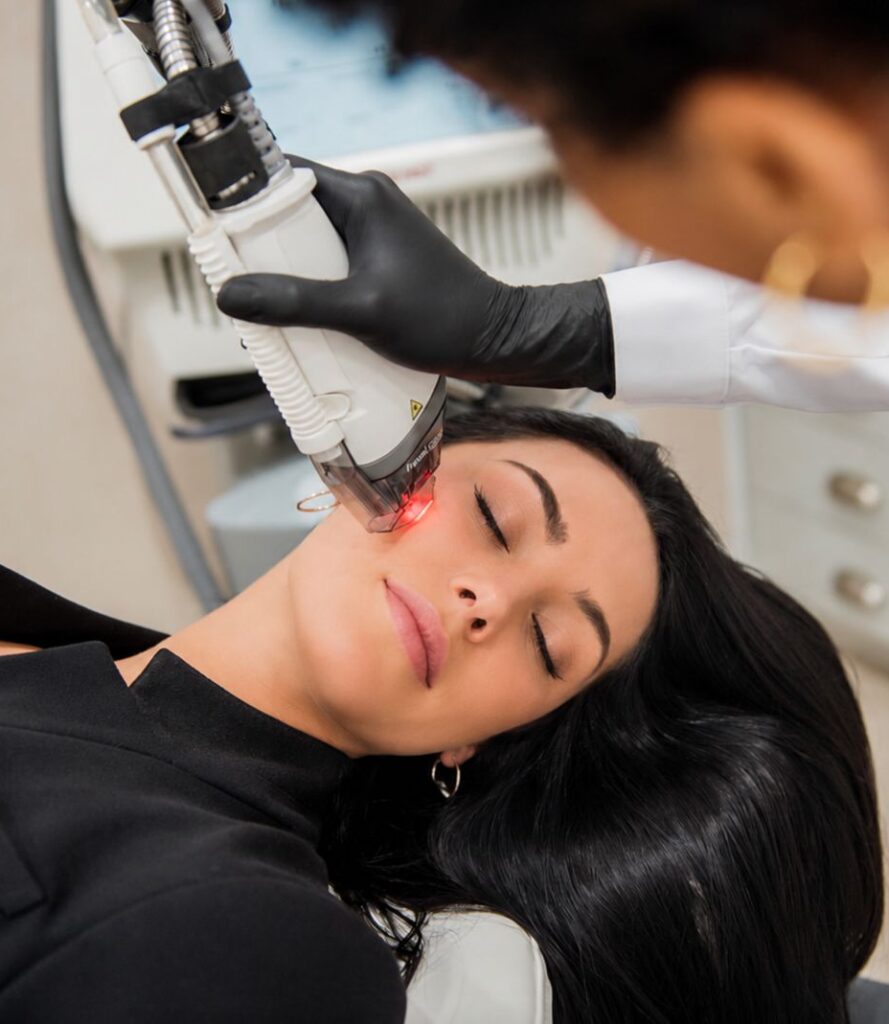
For patients looking to improve pigmentation, acne scars, fine lines and wrinkles, pores, sun damage and uneven texture, Fraxel FTX gives us an incredibly versatile way to address multiple signs of skin aging within the same platform.
Fraxel has long been considered one of the gold standards in fractional laser resurfacing. Fraxel FTX is the newest evolution of that technology.
The system uses two wavelengths that allow us to work at different levels of the skin. The 1927 nm wavelength is particularly useful for more superficial concerns such as pigmentation, sun damage and uneven tone, while the 1550 nm wavelength reaches deeper to stimulate collagen and address concerns including wrinkles, texture and scarring.
Because those parameters can be adjusted, I can customize a treatment based on the patient’s skin type, primary concerns, desired intensity and acceptable recovery time.
Fraxel FTX also introduces improvements in energy delivery, tracking and cooling that make treatment less painful, more precise and consistent, and associated with reduced recovery time.
I had the privilege of training under Dr. Rox Anderson at Harvard’s Wellman Center, where the original fractional laser technology was developed, and I later had the opportunity to help launch Fraxel FTX and develop clinical protocols for the new platform.
That history makes bringing the newest generation of Fraxel to Hudson especially meaningful to me.
What can Fraxel FTX improve?
Fraxel FTX can be used to address:
- Sun damage and hyperpigmentation
- Acne, surgical and traumatic scars
- Fine lines and wrinkles
- Enlarged pores
- Uneven or rough texture
- Overall brightness and skin quality
One of the biggest misconceptions surrounding Fraxel is that darker skin tones cannot be treated safely. Appropriate patient selection and treatment settings matter enormously, but when used by an experienced physician, Fraxel can be customized across a broad range of skin tones.
That ability to personalize the treatment is one of the reasons it remains such an important tool in my practice.
Sofwave: Firmer, More Lifted Skin Without Surgery or Downtime
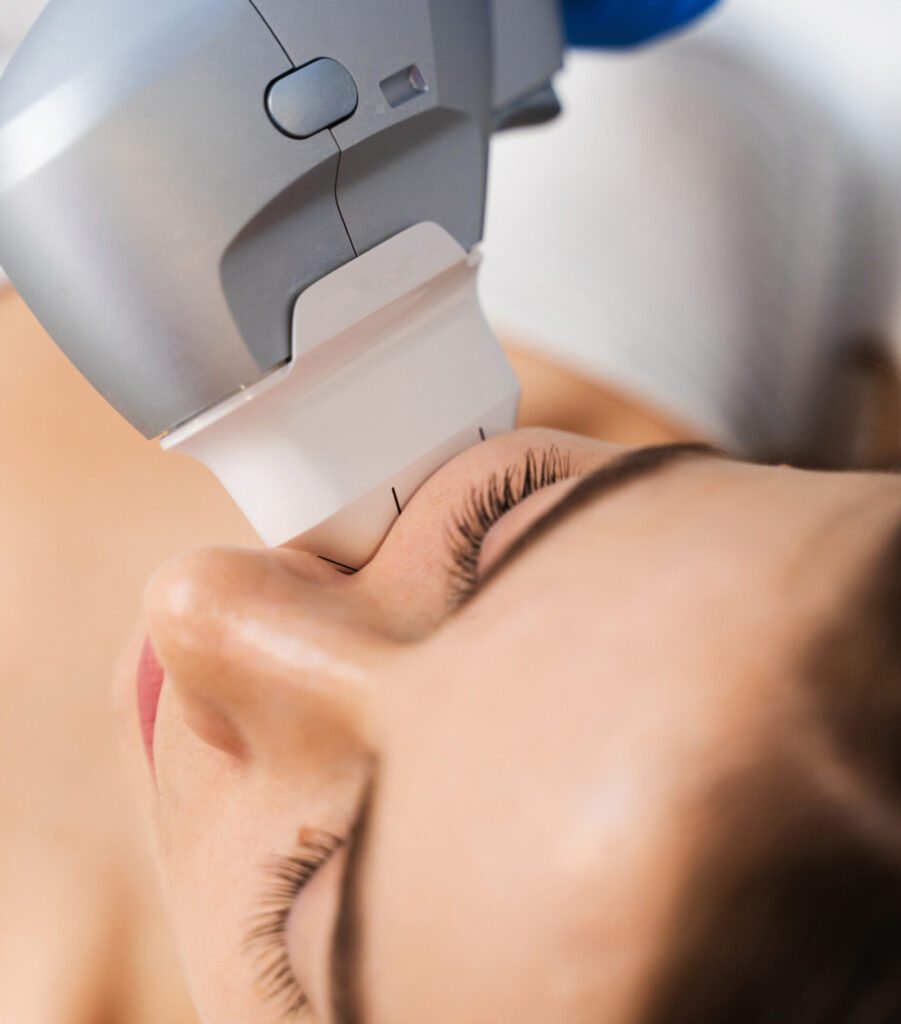
For patients primarily concerned with laxity, sagging, or crepey skin, Sofwave gives us a way to stimulate collagen and elastin and create gradual lifting and tightening without surgery and without changing the features that make someone look like themselves.
Rather than resurfacing the skin, Sofwave uses ultrasound energy beneath the surface to initiate a controlled healing response and stimulate new collagen and elastin.
That distinction matters.
If pigmentation or texture is the primary concern, I may reach for a laser such as Fraxel. If the concern is laxity and declining structural support, Sofwave allows me to address the skin from another level.
I use it to treat areas including the:
- Brows
- Face
- Jawline
- Neck
- Upper arms
- Abdomen
- Buttocks
- Other areas affected by skin laxity
I have worked closely with Sofwave as an advisor, helped introduce the technology in Canada and contributed to the development of its clinical protocols.
One of the things I appreciate most about the technology is its ability to treat relatively large areas without the recovery associated with surgery or more aggressive resurfacing procedures.
It has become particularly useful for areas such as the upper arms, where lax or crepey skin has historically been difficult to address non-surgically.
And because we are stimulating the patient’s own collagen rather than adding volume or altering facial proportions, the result develops gradually.
Sofwave for Skin Laxity After GLP-1 Weight Loss
Patients experiencing significant weight loss with GLP-1 medications may also notice increased skin laxity as underlying fat and muscle volume decrease, particularly on areas such as the upper arms, abdomen, face and neck.
Sofwave can help address this change by stimulating new collagen and elastin, gradually improving skin firmness and support without surgery or downtime. For patients undergoing substantial weight loss, I often consider introducing treatments like Sofwave earlier in the process to help support the skin as the body continues to change.
AVAVA: Resurfacing, Tightening and Rebuilding Collagen in One Platform
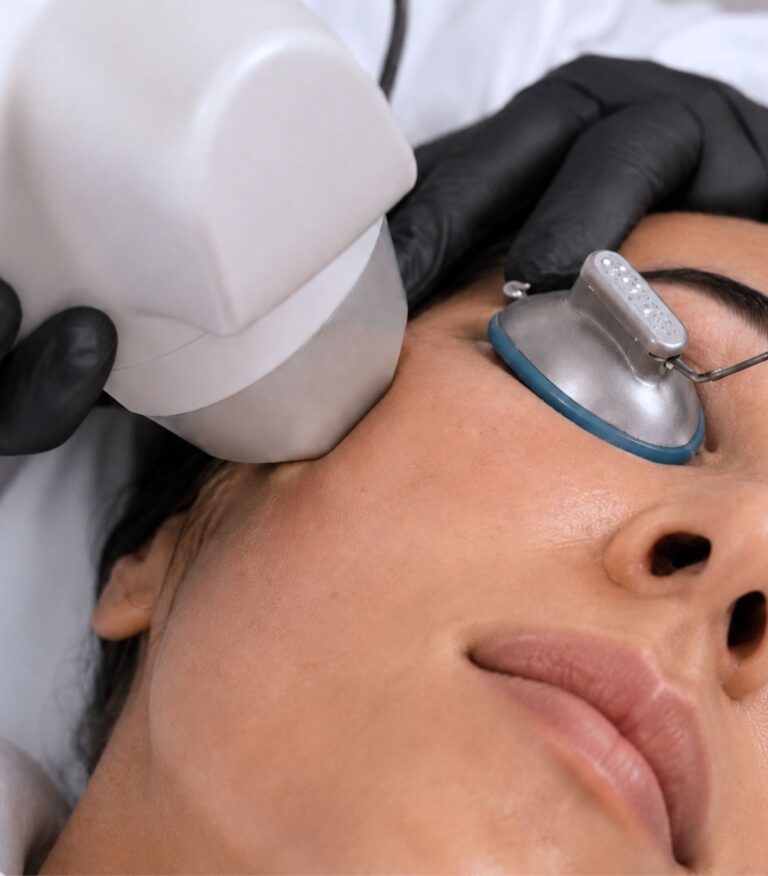
AVAVA is one of the technologies I am most excited to bring to Hudson because it gives us the ability to improve wrinkles, scars, pores, texture and laxity while also stimulating extensive new collagen deeper within the skin.
I sometimes call AVAVA my “Benjamin Button laser.”
Not because any laser can literally reverse time, but because AVAVA represents the direction I believe aesthetic dermatology is heading: instead of simply correcting what we see on the surface, we can increasingly work on the underlying structure responsible for how skin ages.
Formerly known as MIRIA, AVAVA is a highly precise laser platform developed at Harvard by Dr. Rox Anderson, under whom I trained during my laser fellowship.
I helped launch the technology and have continued working on clinical protocols and research involving skin of colour, tightening and lifting, stretch marks and body applications.
What makes AVAVA particularly interesting is its ability to deliver highly controlled energy at multiple depths.
That allows us to target several components of skin aging within one treatment strategy.
AVAVA can help with
- Improve wrinkles and fine lines
- Soften acne and other scars
- Refine pores and uneven texture
- Tighten and lift lax skin
- Improve overall skin quality
- Stimulate extensive new collagen
- Restore some of the structural thickness lost as skin ages
The “Filler Effect”
One of my favorite concepts with AVAVA is what I describe as its natural filler effect.
Traditional dermal filler restores volume by placing a material such as hyaluronic acid beneath the skin.
AVAVA approaches the problem differently.
By delivering precise laser energy into deeper levels of the skin, we can stimulate new collagen formation and structural remodeling. As that collagen develops, the dermis itself can become thicker and better supported.
In other words, we are encouraging the skin to rebuild some of its own structure.
This does not mean AVAVA replaces filler. If someone has true volume loss that requires replacement, injectable filler may still be the appropriate treatment.
But not every patient wants filler, and not every sign of facial aging comes from a lack of volume.
Sometimes the better approach is improving the quality and structural integrity of the skin itself. AVAVA gives us another way to do that.
PRF: Using the Body’s Own Repair Signals
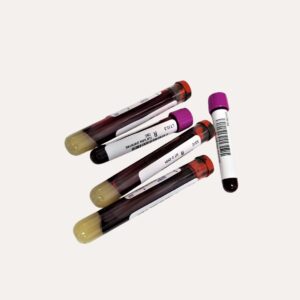
For patients interested in regenerative treatment, PRF allows us to use components derived from their own blood to support collagen production, improve skin quality and complement procedures such as lasers and microneedling.
PRF stands for platelet-rich fibrin.
We create it from a small sample of the patient’s own blood, concentrating platelets and regenerative signalling factors that are involved in the body’s natural healing processes.
Depending on the patient and treatment plan, PRF may be used to:
- Support collagen production
- Improve overall skin quality
- Rejuvenate delicate areas such as the under-eyes
- Support healthier hair growth
- Complement laser treatments
- Complement microneedling
What interests me about PRF is that we are not asking an outside material to do all of the work. We are activating biological mechanisms the body already uses to repair itself. That makes PRF especially valuable within a broader skin-longevity strategy.
PRF EZ Gel: Subtle Volume With a Regenerative Approach

For someone who wants subtle structural support but is hesitant about traditional filler, PRF EZ Gel offers a way to combine natural-looking volume with the regenerative benefits of PRF.
PRF EZ Gel starts with the patient’s own PRF and transforms it into a soft, gel-like consistency that can be carefully placed beneath the skin. The immediate goal is subtle support and restoration.
But unlike conventional dermal fillers, the material is produced from the patient’s own blood and is used alongside the regenerative signaling components present in PRF.
That makes it particularly interesting for patients who want a more biologically based approach to facial rejuvenation.
Again, this is not about declaring one treatment “better” than filler. They are different tools.
The real value is being able to evaluate the face, understand what is actually causing the change we are seeing and then choose the most appropriate way to address it.
SkinPen: Smoother Texture and Softer Acne Scars Without Heat
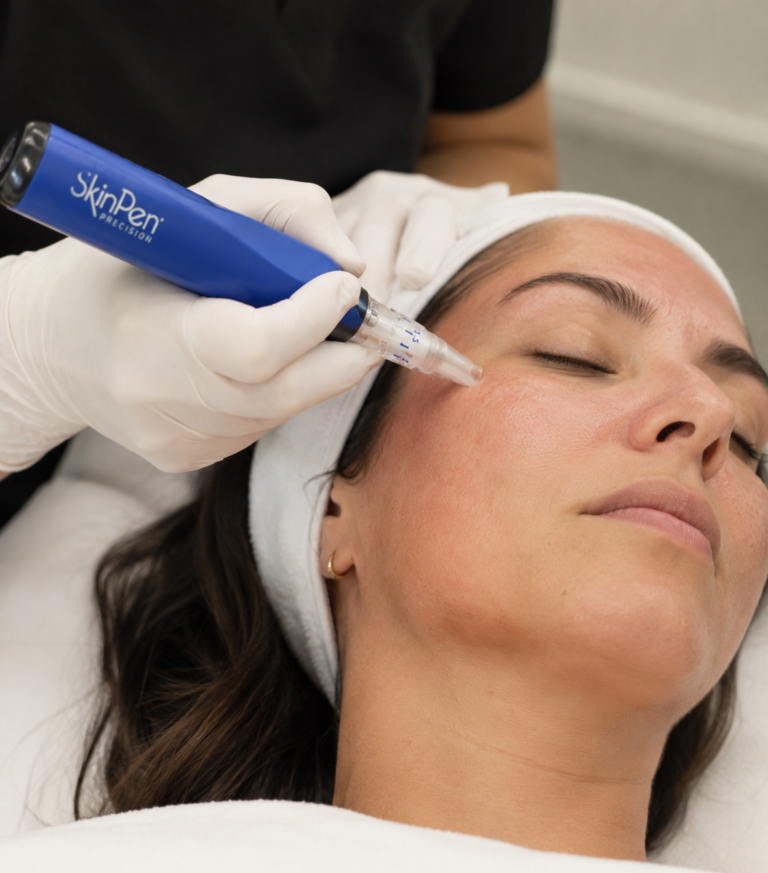
For acne scars, enlarged pores, fine lines and uneven texture, SkinPen gives us a simple but powerful way to activate collagen remodeling without introducing heat into the skin.
SkinPen is an FDA-cleared medical microneedling device. It creates thousands of controlled microchannels in the skin. Those micro-injuries activate the body’s normal wound-healing cascade, signaling the skin to repair itself and produce new collagen and elastin over time.
I think SkinPen is one of the more underrated tools in dermatology precisely because it is so straightforward. There is no laser and no radiofrequency energy.
We are mechanically creating a precise repair signal and allowing the body to respond.
SkinPen can help improve:
- Acne scars
- Surgical scars
- Fine lines
- Enlarged pores
- Uneven texture
- Crepey skin
- Overall skin quality and tone
Because the treatment does not depend on heat or melanin absorption, it can also be an important option across a wide range of skin tones.
Results are gradual. Patients may notice an early glow, but the meaningful collagen remodeling develops over the weeks and months that follow.
For mild texture or general skin maintenance, an occasional treatment may be enough. More significant acne scars or textural concerns often require a series. That gradual rebuilding process is exactly what makes it fit into a skin-longevity approach.
Why Having More Technology Does Not Mean Doing More Treatment
It would be easy to look at all of these new technologies and assume the goal is simply to perform more procedures.
It is the opposite.
The better our tools become, the more precisely we can choose which treatment a patient actually needs.
Someone with pigmentation and acne scars may benefit from Fraxel FTX. Someone whose primary concern is laxity may be better served by Sofwave. A patient with multiple layers of textural and structural aging may be an AVAVA candidate. Another patient may benefit more from SkinPen, PRF or EZ Gel. And sometimes the strongest results come from thoughtfully combining modalities that work through different mechanisms.
Fraxel can renew the skin and stimulate collagen.
Sofwave can strengthen deeper structural support.
AVAVA can address multiple depths while driving extensive collagen remodelling.
SkinPen can activate repair without heat.
PRF and EZ Gel can bring regenerative biology into the treatment plan.
That is what skin longevity means to me. It is not chasing every line, spot or change as it appears. It is understanding why the skin is changing, which layer needs to be treated and how we can help preserve healthier, stronger and more resilient skin over time.
That is the approach I am excited to continue building at Hudson Dermatology & Laser Surgery in New York City.
Medical disclaimer
This article is for informational purposes only and does not constitute medical advice. Skincare products and treatments should be selected in consultation with a qualified dermatologist, especially for individuals with underlying skin conditions or sensitivities.

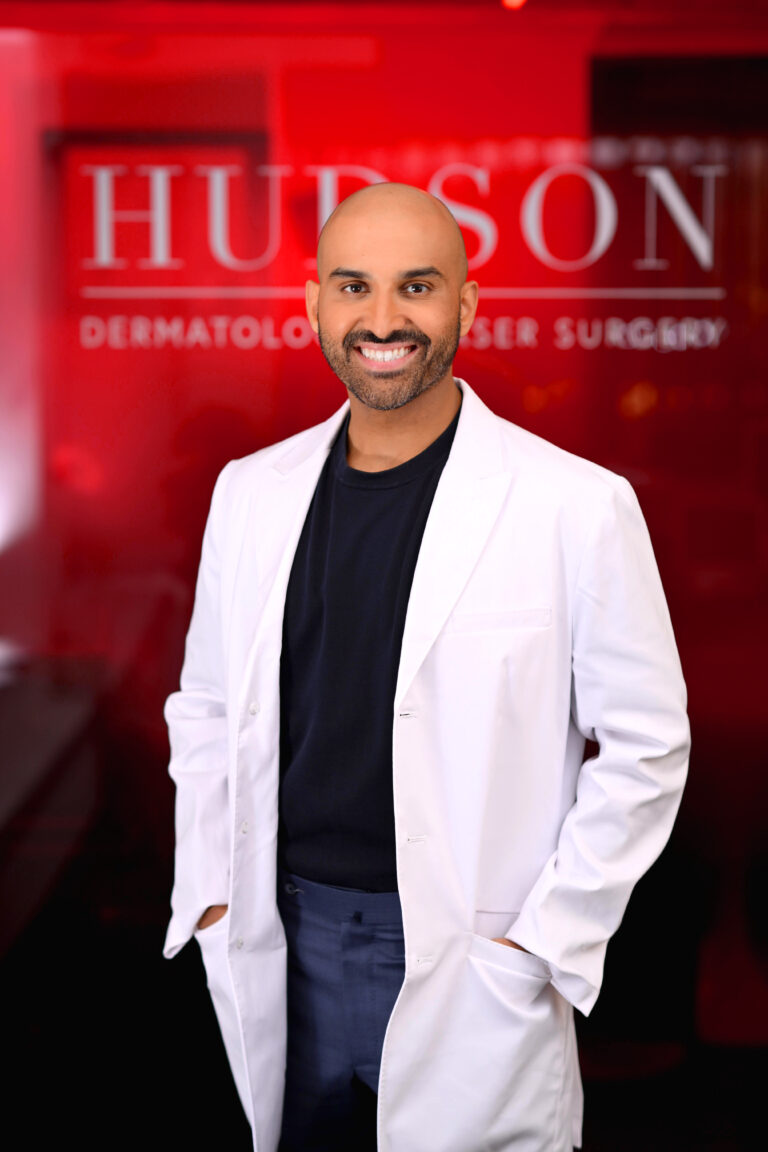
About Dr. Rishi Chopra
Dr. Rishi Chopra is a board-certified cosmetic dermatologist and Longevity Director at Hudson Dermatology & Laser Surgery. Fellowship-trained at Harvard Medical School and the Wellman Center for Photomedicine, he specializes in advanced lasers, regenerative aesthetics and skin longevity.
His work includes developing and applying treatment protocols for technologies such as Fraxel FTX, AVAVA and Sofwave, with additional expertise in skin of color, acne scarring and collagen-focused rejuvenation.
At Hudson Dermatology, his approach centers on natural-looking results and treatments designed to support stronger, healthier skin over time.