
CO₂ laser resurfacing has remained the gold standard in ablative skin rejuvenation for decades, particularly for treating deeper wrinkles, acne scars, and significant sun damage.
By combining powerful surface renewal with deeper collagen remodeling, CO₂ can deliver meaningful, long-lasting improvements in skin texture, firmness, and overall quality, often after just one treatment.
At Hudson Dermatology & Laser Surgery, we take a personalized approach to laser resurfacing, tailoring each treatment to your skin, goals, and recovery preferences.
15-60 minutes
5-14 days depending on treatment
Moderate
Fall and winter for avoiding sun exposure
Initial improvement after healing, with collagen remodeling over 3-6 months
CO₂ laser resurfacing is an advanced treatment designed to rejuvenate the skin by removing damaged outer layers while stimulating collagen remodeling beneath the surface.
Using a 10,600 nm wavelength, the laser precisely targets areas of aging or damaged skin. Modern fractional CO₂ technology creates microscopic treatment zones while leaving portions of the surrounding skin intact, supporting faster healing compared with traditional fully ablative resurfacing.
This combination of surface renewal and deeper collagen remodeling makes CO₂ particularly effective for concerns that may be more difficult to address with gentler laser treatments.
Unlike treatments that primarily target pigmentation or provide subtle skin rejuvenation, CO₂ can address multiple aspects of skin aging, including deeper wrinkles, texture, and certain types of scarring simultaneously.
CO₂ resurfacing is particularly effective for patients looking to improve more pronounced signs of aging or skin damage.
Improves fine lines, crow’s feet, crepey skin, and mild laxity around the eyes, including the delicate lower eyelids. CO₂ resurfacing offers a nonsurgical option for patients seeking smoother, firmer-looking skin in the periocular area.
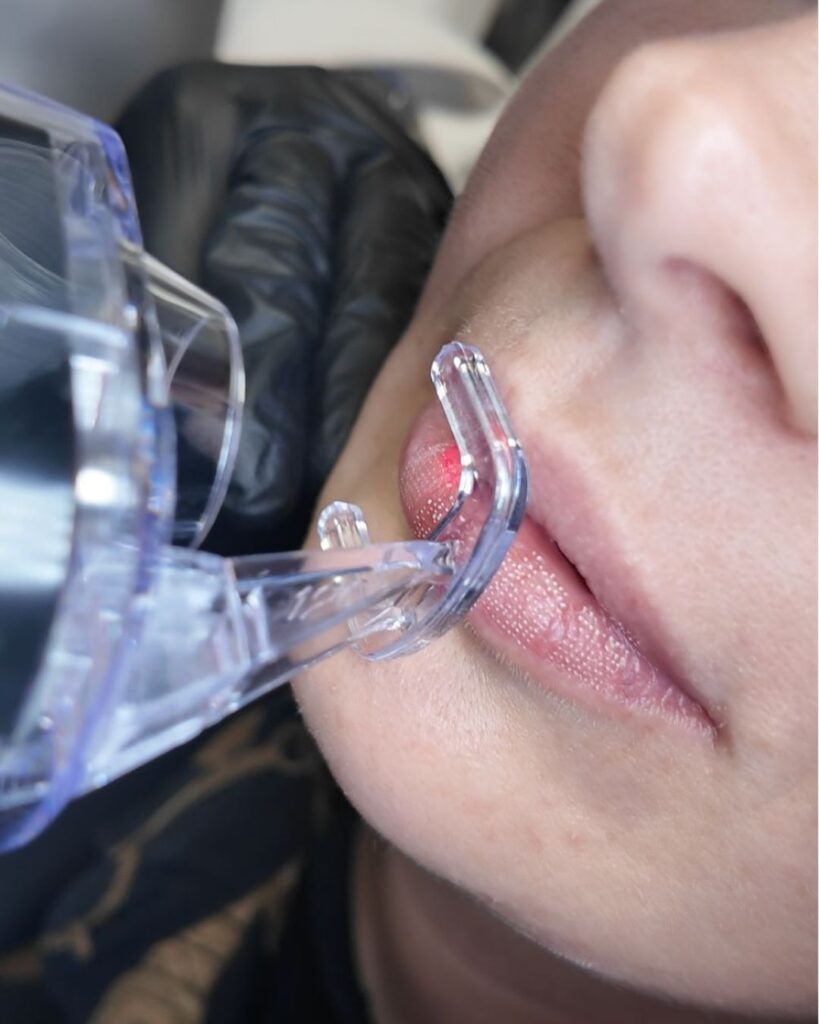
Softens vertical lip lines, commonly called “smoker’s lines,” and wrinkles around the mouth. By stimulating collagen remodeling, CO₂ can also improve fine lines, texture, and lip definition, offering natural-looking rejuvenation without injectable filler.
Improves the appearance of moderate to severe depressed acne scars by resurfacing uneven texture and stimulating collagen remodeling.
Addresses rough texture, certain superficial pigmentation changes, enlarged-looking pores, and other irregularities associated with aging and chronic sun exposure.
Stimulates collagen remodeling to improve fine lines, crepey skin, and mild skin laxity, helping restore smoother, firmer-looking skin.
Improves the texture, color, and overall appearance of selected scars.
Can help soften, flatten, and improve the appearance of raised scars and keloids, often in combination with other treatments to optimize results and reduce recurrence.
One of the greatest advantages of CO₂ resurfacing is its ability to address multiple concerns during a single treatment, often producing more substantial improvement than less intensive resurfacing procedures.
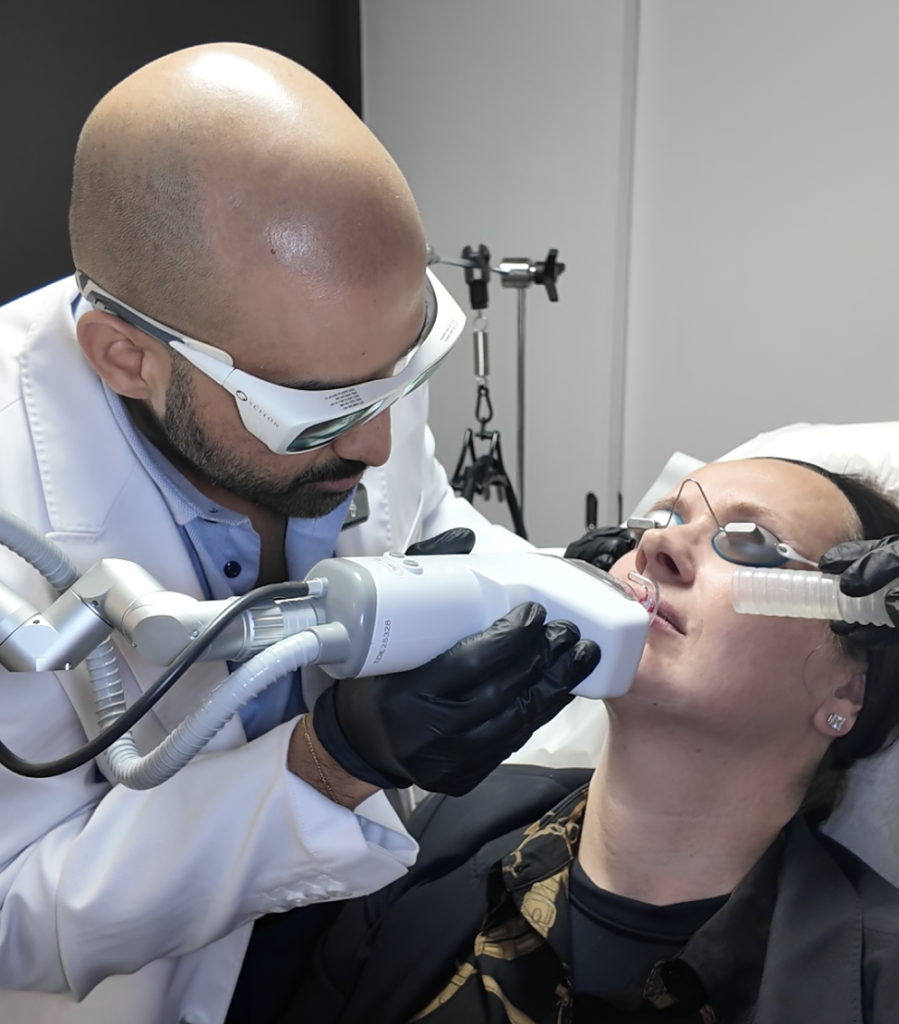
Modern fractional laser resurfacing has deep roots at Harvard Medical School and Massachusetts General Hospital, where Drs. R. Rox Anderson and Dieter Manstein pioneered fractional photothermolysis. This breakthrough helped shape the development of modern fractional CO₂ laser treatments.
Dr. Rishi Chopra completed his advanced laser and cosmetic dermatology fellowship at Massachusetts General Hospital and the Wellman Center for Photomedicine, training directly under Dr. Anderson and other leaders in laser medicine.
At Hudson Derm, this foundation in laser science informs a personalized approach to resurfacing. With access to a comprehensive range of advanced laser technologies, our dermatologists can tailor each treatment to your skin, goals, and recovery preferences, prioritizing natural-looking results without unnecessary treatment.
Your dermatologist will evaluate your skin, discuss your goals, and determine the appropriate treatment settings based on your skin type, concerns, and desired results.
The skin is cleansed, and topical numbing or additional anesthesia is administered as appropriate for your procedure.
Your dermatologist carefully guides the laser over the treatment area, delivering controlled energy to resurface the skin and stimulate collagen remodeling.
Treatment typically takes 15–60 minutes, depending on the area and intensity.
Redness, swelling, warmth, peeling, and crusting are expected during the initial healing period. More intensive treatments may also cause temporary oozing.
You will receive detailed post-treatment instructions to support proper healing, including gentle cleansing, protective ointments, and sun avoidance.
As the skin heals, the treated areas gradually become smoother, with additional improvements developing as collagen remodeling continues beneath the surface
Recovery varies depending on the treatment intensity, area treated, and individual healing response.
Redness, swelling, warmth, and sensitivity are common. Some patients experience temporary oozing or crusting as the skin begins to heal.
Peeling, crusting, and flaking become more noticeable as the outer layers of treated skin begin to shed. Swelling and discomfort typically improve.
Many patients complete the initial healing phase during this period, although recovery may take longer with more intensive treatment. The skin may remain pink or sensitive after the surface has healed.
While initial improvements are visible after healing, skin texture, wrinkles, and scars can continue to improve over several months as collagen remodeling progresses.
It is important to distinguish between initial downtime and complete recovery. Although some patients resume normal social activities after approximately 1 week, others may require 2 weeks or longer. Residual redness can persist for several weeks or more.
Your dermatologist will help you plan treatment around your work, travel, and important events.
CO₂ laser resurfacing can be considered for select patients with darker skin tones, but careful patient selection and treatment planning are especially important.
Patients with more melanin have a greater risk of developing post-inflammatory hyperpigmentation or other pigmentary changes following aggressive resurfacing.
At Hudson Derm, we consider your natural skin tone, pigmentation history, treatment goals, and individual risk factors before recommending CO₂.
In some cases, nonablative fractional lasers, radiofrequency microneedling, or other collagen-remodeling technologies may offer a more favorable balance of results and safety.
Our goal is to achieve meaningful improvement while minimizing unnecessary inflammation and risk.
Many patients experience significant improvement after a single CO₂ resurfacing treatment, particularly when treating wrinkles, sun damage, or general skin texture.
More complex concerns, such as deeper acne scars, may require multiple treatments or a combination of procedures for optimal improvement.
Results can last several years, although the natural aging process continues. The longevity of your results depends on your skin, treatment intensity, sun exposure, and ongoing skincare.
Daily sun protection and a consistent skincare routine can help maintain improvements over time.
CO₂ resurfacing is generally performed with topical anesthesia and, when appropriate, additional pain-management measures.
Patients may experience warmth or discomfort during treatment, followed by a sunburn-like sensation during the early healing period.
Makeup should be avoided until the treated skin has adequately healed and your dermatologist has cleared you to resume using it.
For many fractional CO₂ treatments, this is approximately 7–14 days, although more intensive procedures may require longer recovery.
Yes. CO₂ laser resurfacing is particularly effective for fine lines and crepey skin around the eyes, as well as vertical lip lines and deeper wrinkles around the mouth.
Unlike injectable fillers, which add volume, CO₂ works by resurfacing the skin and stimulating collagen remodeling to improve the appearance of wrinkles without adding volume.
Yes. CO₂ can improve the appearance of certain acne scars, particularly boxcar scars and other textural irregularities.
However, different scar types require different approaches. Rolling scars may benefit from subcision, while narrow icepick scars may require targeted procedures.
At Hudson Derm, acne-scar treatment is often multimodal, combining different technologies and techniques based on the specific scar types present.
Yes. CO₂ laser resurfacing can improve fine lines, crepey texture, and mild skin laxity around the eyes by stimulating collagen remodeling and tightening.
For patients with more advanced eyelid sagging or excess skin, surgical treatments may provide more significant improvement. Your dermatologist can help determine whether laser resurfacing is appropriate for your concerns.
Yes. CO₂ resurfacing can soften fine lines, improve texture, and restore a smoother, more youthful appearance to the lips and surrounding skin. By stimulating collagen remodeling, treatment may also subtly improve the appearance of lip definition.
Unlike lip fillers, which add volume, laser resurfacing focuses on improving the quality of the existing skin, making it an option for patients seeking natural-looking rejuvenation without adding filler.
Yes, although fall and winter are often more convenient because patients typically have less sun exposure.
CO₂ can be performed year-round in appropriately selected patients who can follow strict sun-avoidance and post-treatment protection recommendations.

Whether you’re looking to soften deeper wrinkles, improve acne scars, or address years of sun damage, CO₂ resurfacing can be a powerful option for restoring smoother, healthier-looking skin.
At Hudson Dermatology & Laser Surgery in New York City, our approach combines advanced laser technology, clinical expertise, and individualized treatment planning to help you achieve natural-looking, long-lasting results.