
Regenerative Skin and Hair Rejuvenation Using Your Own Blood
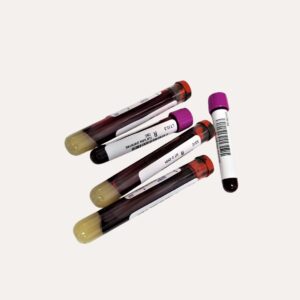
Platelet-rich fibrin, commonly called PRF, is a regenerative treatment prepared from a small sample of your own blood.
The blood is processed to concentrate platelets, fibrin, and naturally occurring signaling proteins involved in healing and tissue repair. The resulting PRF can be injected into targeted areas or used alongside treatments such as microneedling and laser resurfacing.
Because PRF is derived from your own blood, it does not contain synthetic filler material.
PRF and platelet-rich plasma, commonly called PRP, are both regenerative treatments prepared from a patient’s own blood. The primary difference is how they are processed and how they deliver regenerative components to the tissue.
Traditional PRP is generally prepared with an anticoagulant, allowing it to remain in liquid form. PRF is typically prepared without anticoagulants and forms a natural fibrin network that helps retain platelets and other regenerative components within the treated area.
This fibrin matrix may support a slower, more sustained release of naturally occurring signaling proteins over time. Neither treatment is universally better for every patient. The most appropriate option depends on the treatment area, clinical concern, preparation method, and individualized treatment plan.
Clinical research suggests that injectable PRF may improve selected measures of skin texture, wrinkles, and facial rejuvenation, although outcomes vary and the evidence continues to evolve.
Face and neck: Under the eyes, cheeks, around the mouth, jawline, and neck
Body: Chest, hands, selected scars, and other areas with crepey or thinning skin
Hair: Areas of the scalp affected by thinning or early hair loss
A small amount of blood is drawn and processed in a centrifuge to separate and concentrate the platelet-rich fibrin.
Depending on the treatment plan, PRF may be injected beneath the skin using a fine needle or cannula. It may also be applied during microneedling or combined with selected laser procedures.
Patients may feel brief pinching, pressure, or stinging during the injections. Topical or local anesthetic may be used to improve comfort.
Temporary redness, swelling, tenderness, and bruising may occur at the injection sites. Swelling can be more noticeable when the under-eye area is treated.
Most patients return to normal activities within one to three days, although bruising or residual swelling may last for up to a week.
Results develop gradually rather than appearing all at once. Early improvement in hydration, brightness, or skin texture may become visible within four to twelve weeks.
Collagen remodelling and regenerative changes may continue for several months. A series of treatments is commonly recommended, followed by maintenance based on individual goals and response.