
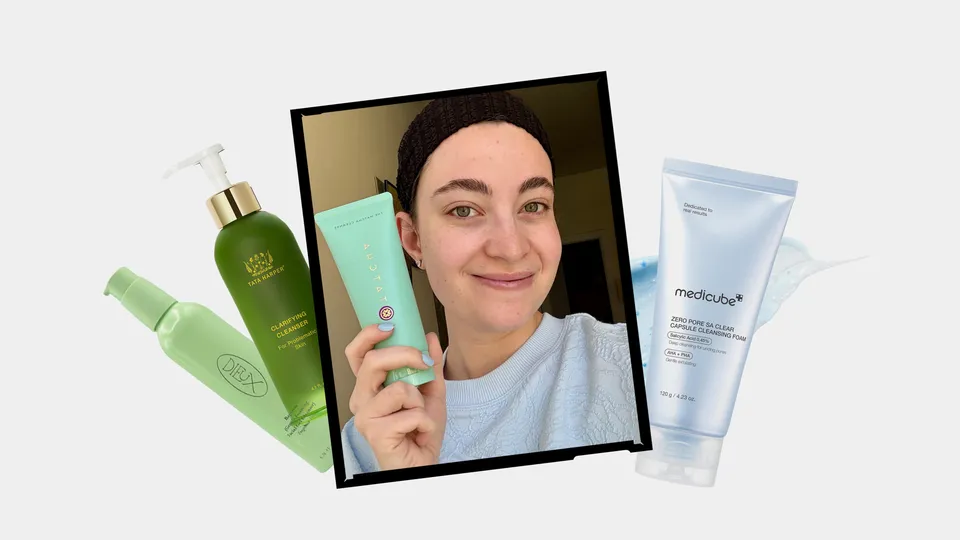
For patients with oily skin, cleansing is often viewed as the most important step in the entire skincare routine. Excess shine, congestion, enlarged-looking pores, and breakouts can all make people feel like they need to wash their face constantly or use the strongest cleanser possible. According to Dr. Kiran Mian, however, effective cleansing is less about stripping the skin and more about maintaining balance.
In a recent feature published by Allure discussing the best face washes for oily skin, Dr. Mian shared insight into the ingredients and cleanser types that can help reduce excess oil while supporting overall skin health.
Why face washes are important for oily skin
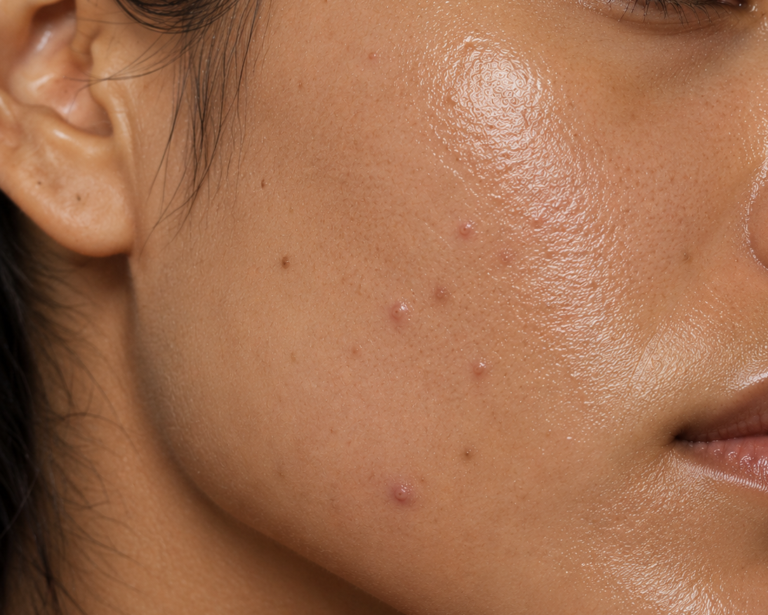
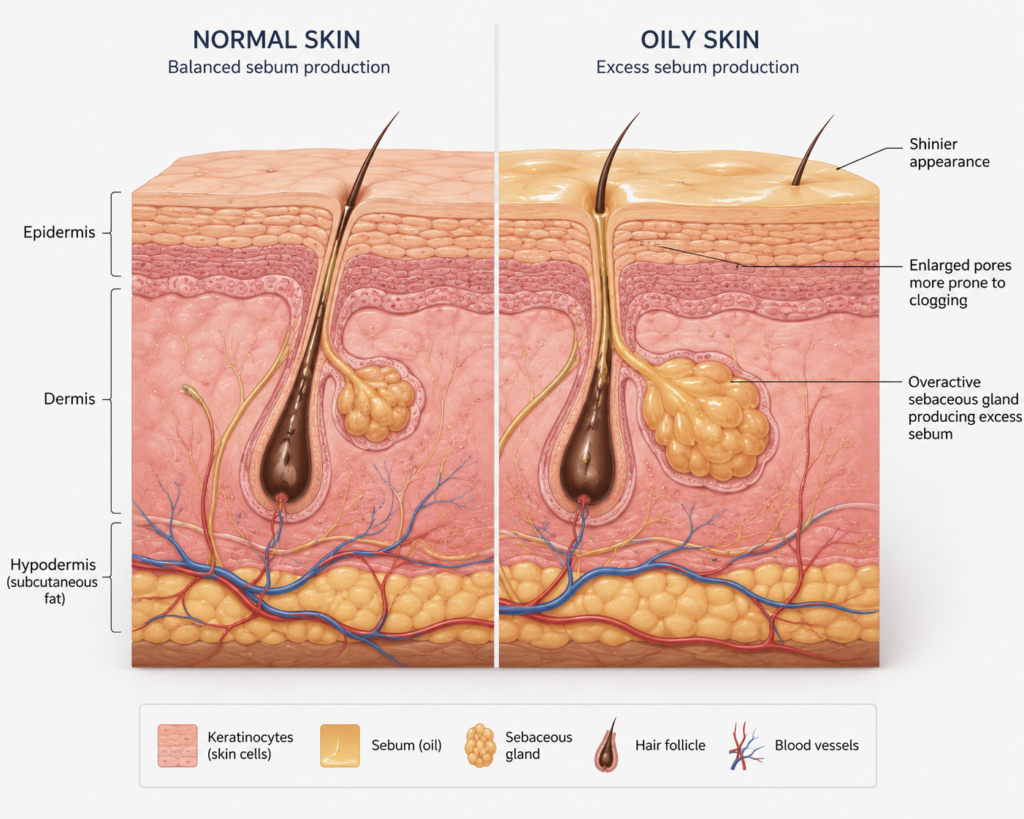
Oily skin produces excess sebum, which can combine with dead skin cells, sweat, sunscreen, makeup, and environmental debris throughout the day. Without proper cleansing, this buildup may contribute to clogged pores, acne flare-ups, and uneven texture.
Dermatologic research published in journals including the Journal of Clinical and Aesthetic Dermatology has shown that appropriate cleansing can improve acne outcomes and support the effectiveness of active treatments like retinoids and exfoliating acids.
Face washes formulated specifically for oily skin are generally designed to remove excess oil more efficiently than cleansers intended for dry or sensitive skin. According to experts featured in the Allure article, gel and foaming cleansers are often preferred because they contain surfactants that help break down oil and debris more effectively.
At the same time, modern dermatology has moved away from the idea that oily skin should feel tight or stripped after cleansing. Today, many dermatologists focus just as heavily on preserving the skin barrier as they do on removing oil.
Can face washes worsen oily skin?
One of the most common misconceptions surrounding oily skin is that stronger cleansing always leads to better skin. In reality, over-cleansing can sometimes worsen oiliness and irritation.
Dr. Mian contributed to the Allure discussion around acne-prone skin and highlighted that cleansing too aggressively may disrupt the skin barrier over time.
When the skin barrier becomes compromised, patients may experience:
- irritation
- redness
- dehydration
- increased sensitivity
- rebound oil production
This becomes particularly important for patients already using retinoids, exfoliating acids, or prescription acne medications. Harsh cleansers combined with multiple active ingredients can leave skin inflamed rather than balanced.
Research published in Clinical Cosmetic and Investigational Dermatology has increasingly emphasized the role of barrier dysfunction in inflammatory skin conditions, including acne and rosacea. As a result, many newer cleansers now combine oil-controlling ingredients with hydrating and soothing components.
The most effective ingredients commonly found in oily skin cleansers
Salicylic acid
Salicylic acid remains one of the most commonly recommended ingredients for oily and acne-prone skin. As a beta hydroxy acid, it is oil-soluble, allowing it to penetrate into pores and help dissolve excess sebum and dead skin buildup.
Multiple peer-reviewed studies have shown that salicylic acid can improve comedonal acne, reduce congestion, and help minimize blackheads over time.
The Allure article also highlighted salicylic acid’s ability to penetrate through the skin’s natural oil barrier and deeply cleanse pores.
Because of this, salicylic acid cleansers are frequently recommended for patients struggling with:
- blackheads
- oily congestion
- enlarged-looking pores
- acne-prone skin
Benzoyl peroxide
Dr. Mian specifically discussed benzoyl peroxide, noting its role in reducing acne-causing bacteria and helping control oil production.
Benzoyl peroxide has been extensively studied in dermatology and remains one of the most established acne-fighting ingredients available. Research published in the Journal of the American Academy of Dermatology has shown that it can reduce inflammatory acne lesions while decreasing bacterial colonization on the skin.
However, stronger benzoyl peroxide formulations may increase dryness and irritation in some patients, especially when combined with exfoliating acids or retinoids.
For this reason, dermatologists often tailor cleanser recommendations based on a patient’s overall skincare routine and skin sensitivity.
Niacinamide and zinc
Niacinamide has become increasingly popular in modern skincare because of its ability to support the skin barrier while helping reduce inflammation and regulate sebum production. Clinical studies suggest it may also improve redness and post-acne discoloration.
Zinc, meanwhile, is often included in oily skin formulations because of its calming and oil-regulating properties. Some studies have also suggested antimicrobial benefits, particularly in acne-prone patients.
Together, these ingredients help create a more balanced approach to oily skin management rather than simply drying the skin aggressively.
Hydrating and barrier-supportive ingredients
One of the more notable shifts in modern cleanser formulations is the inclusion of hydrating ingredients even in products designed for oily skin.
Ingredients such as glycerin, allantoin, and ceramides are now important components for maintaining skin barrier health.
This reflects a growing understanding within dermatology that oily skin still requires hydration and barrier protection. Overly drying the skin can sometimes increase irritation and inflammation, particularly in acne-prone patients.
As a result, many dermatologist-recommended cleansers now combine:
- oil-regulating ingredients
- gentle surfactants
- soothing compounds
- hydrating agents
This combination allows patients to cleanse effectively without creating the tight, irritated feeling that harsher cleansers often cause.
How often should someone with oily skin wash their face?
According to dermatologists, cleansing twice daily is generally considered ideal for oily skin.
Morning cleansing helps remove overnight oil buildup, while evening cleansing removes sunscreen, makeup, sweat, and environmental pollutants accumulated throughout the day.
Dr. Mian also noted that patients with acne-prone skin may benefit from cleansing again after heavy sweating or workouts.
At the same time, dermatologists caution against excessive washing throughout the day, as over-cleansing may contribute to irritation and barrier disruption.
Dr. Kiran Mian’s approach to oily skin cleansing
Dr. Mian’s perspective reflects a broader trend happening in dermatology today: oily skin treatment is becoming more focused on balance rather than harsh oil removal alone.
Instead of encouraging aggressive stripping or excessive exfoliation, modern dermatologic care increasingly focuses on:
- reducing inflammation
- preserving the skin barrier
- controlling congestion gradually
- supporting long-term skin health
For many patients, this more measured approach ultimately produces clearer, calmer, and healthier-looking skin over time.
Researchers believe this may partially reverse what they call the “procarcinogenic response” to ultraviolet damage.
In simpler terms: the laser may help older sun-damaged skin behave more like healthier younger skin again.
Dr. Kiran Mian also recommends looking for cleansers that balance exfoliation with barrier support rather than aggressively stripping the skin.
Dr. Kiran Mian’s recommendations
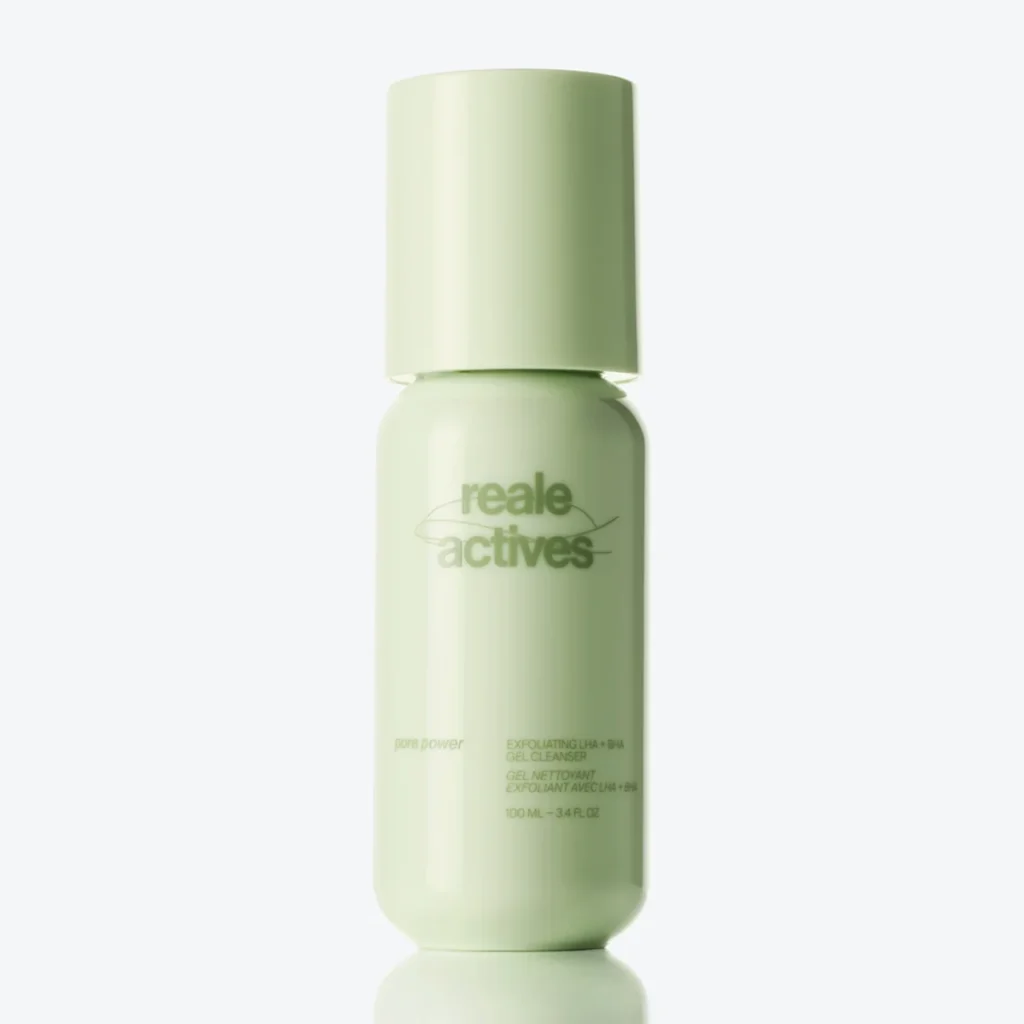
One option that Dr. Mian recommends is Reale Actives Pore Power Cleanser, a cleanser designed to target congestion, excess oil, and post-breakout texture while still maintaining skin comfort. The formula aligns with the more modern dermatologic approach to oily skin care by combining clarifying ingredients with a focus on minimizing irritation and supporting long-term skin balance.
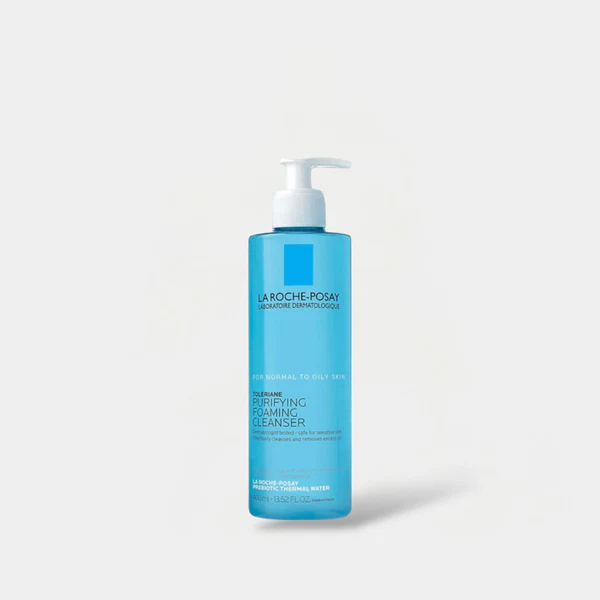
Dr. Mian also frequently recommends the La Roche-Posay Purifying Foaming Cleanser available through Aire Health to patients with oily or acne-prone skin.
Gel cleansers like this are often preferred for oily skin types because they effectively remove excess sebum, sunscreen, and debris without leaving behind heavier residue. This type of cleanser can work particularly well for patients looking for a straightforward daily option that supports clearer skin while remaining gentle enough for consistent use.
Medical disclaimer
This article is for informational purposes only and does not constitute medical advice. Skincare products and treatments should be selected in consultation with a qualified dermatologist, especially for individuals with underlying skin conditions or sensitivities.


About Dr. Kiran Mian
Dr. Kiran Mian is a board-certified dermatologist at Hudson Dermatology & Laser Surgery in New York City.
She specializes in cosmetic and medical dermatology, with a focus on acne, pigmentation, skin health, and evidence-based skincare treatments.
She has taken up the role of Director of Clinical Innovation for Reale Actives, the celebrity skincare line created in collaboration with Alix Earle focusing on acne prevention through focused active ingredients.
Dr. Mian regularly contributes expert commentary to leading beauty and wellness publications, helping patients better understand the science behind modern skincare and dermatologic care.