
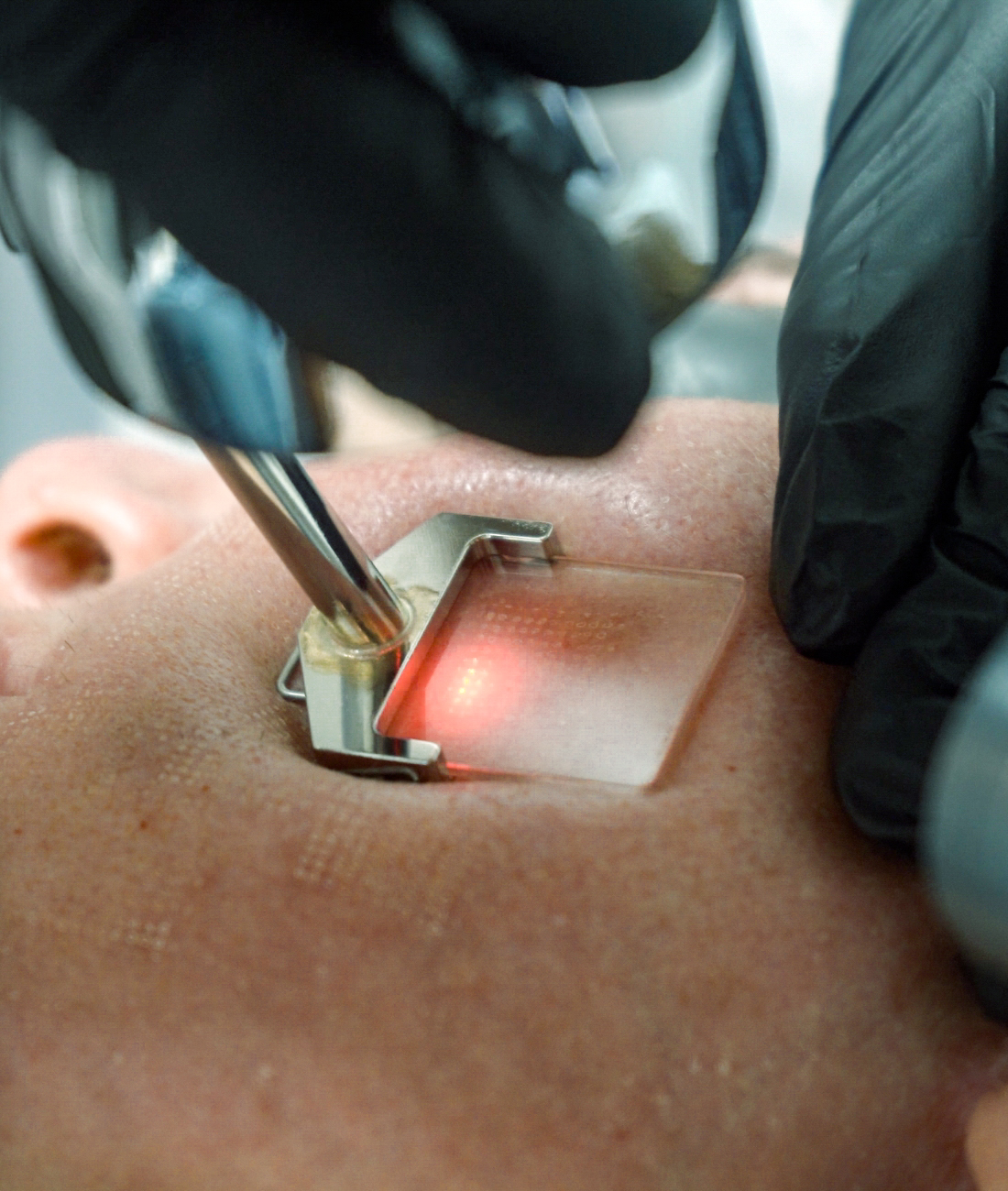
For years, lasers have been associated with smoother skin, fewer wrinkles, and reversing visible sun damage. But emerging research is beginning to reveal something far more significant: certain laser treatments may actually help reduce the risk of developing future skin cancers.
Not melanoma, the deadliest form of skin cancer, but basal cell carcinoma (BCC) and squamous cell carcinoma (SCC), the two most common forms of skin cancer caused largely by cumulative ultraviolet damage over time.
And according to new research, the mechanism may go deeper than simply “removing damaged skin.”
For dermatologists like Dr. Chelsea Hoffman, this represents one of the most exciting evolutions happening in laser medicine today: the idea that cosmetic laser procedures may also improve the biological health and resilience of aging skin.
Why basal and squamous cell carcinomas are such a major problem
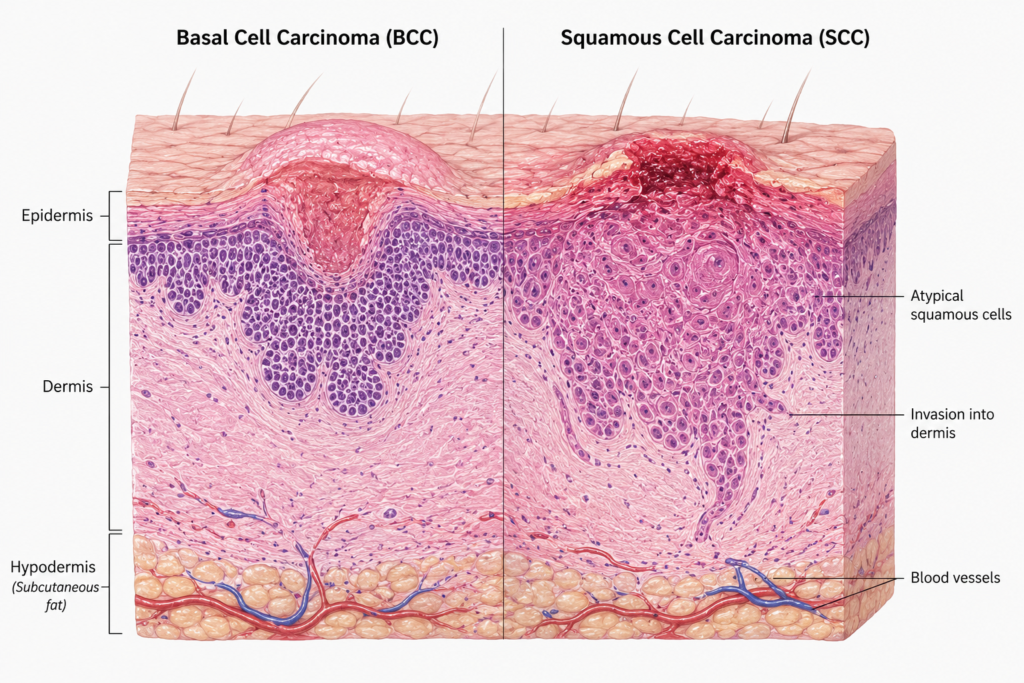
Basal and squamous cell carcinomas are extraordinarily common in the United States. The study itself notes that an estimated 5.4 million cases of keratinocyte carcinoma are diagnosed in roughly 3.3 million Americans annually, with about 80% being basal cell carcinomas and nearly 20% squamous cell carcinomas.
While these cancers are often highly treatable, they create a major long-term burden for patients because recurrence is so common.
The research highlights that patients with a prior history of keratinocyte carcinoma have a 35% chance of developing another lesion within three years, and nearly a 50% chance within five years.
This happens because skin cancer is often less about one isolated spot and more about widespread cumulative UV damage across the skin.
“Once someone has had basal or squamous cell carcinoma, we know the surrounding skin has often already undergone years of ultraviolet-induced DNA damage,” explains Dr. Chelsea Hoffman. “That’s why prevention and field treatment become so important.”
Evidence supporting lasers for skin cancer prevention is building
A 2023 study published in Dermatologic Surgery followed patients with a history of facial basal and squamous cell carcinomas who underwent non-ablative fractional laser (NAFL) treatments.
Researchers compared them to a matched control group who had similar histories of skin cancer but received no laser treatment.
The laser most commonly studied was Fraxel, a nonablative fractional resurfacing laser already widely used to improve:
- Sun damage
- Fine lines
- Texture irregularities
- Precancerous actinic keratoses
- Pigment changes
The findings were surprisingly strong.
Patients who underwent NAFL (Non ablative fractional laser) treatments had approximately half the risk of developing another facial basal or squamous cell carcinoma compared to patients who did not receive laser treatment.
More specifically:
- 20.9% of laser-treated patients developed another facial keratinocyte carcinoma
- Compared to 40.4% in the untreated control group
Researchers also found that untreated patients developed new cancers significantly sooner than laser-treated patients.
Even after adjusting for age, gender, and skin type, the untreated group remained substantially more likely to develop another cancer.
The most interesting part: why lasers may work
What makes this study particularly fascinating is not just the reduction in cancer recurrence, but the proposed biology behind it.
Historically, dermatologists believed lasers helped primarily because they removed damaged skin cells and stimulated healing.
Now researchers think the effect may be much deeper, involving fibroblast aging, cellular signaling, and a pathway called IGF-1.
Understanding fibroblast senescence in simple terms
One of the key concepts in the paper is fibroblast senescence.
Fibroblasts are support cells within the dermis responsible for producing collagen and maintaining healthy skin structure. But as skin ages, especially after decades of UV exposure, these fibroblasts become “senescent,” meaning they stop functioning normally.
Senescent fibroblasts produce lower levels of insulin-like growth factor 1 (IGF-1), an important signaling molecule that helps regulate how skin cells respond to UV damage.
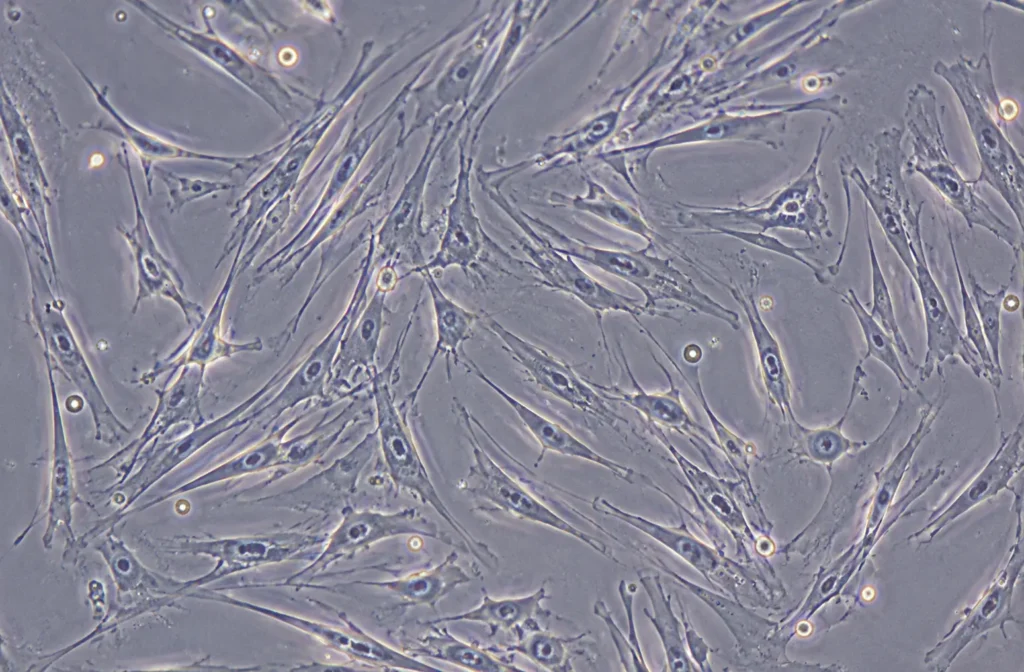
This matters because healthy IGF-1 signaling appears to help prevent UV-damaged keratinocytes from multiplying uncontrollably.
In other words, younger, healthier skin may be better at stopping damaged precancerous cells before they become cancers.
“Think of it almost like the skin losing some of its quality control mechanisms with age,” says Dr. Hoffman. “As fibroblasts become older and less functional, the skin becomes less efficient at properly managing UV-damaged cells.”
How lasers may “reset” part of the skin’s environment
This is where nonablative fractional lasers become especially interesting.
The study explains that fractional lasers create controlled microscopic thermal injury within the skin, triggering a wound-healing response without fully removing the skin surface.
That healing response appears to stimulate fibroblasts and increase IGF-1 signaling again in aged skin.
Researchers believe this may partially reverse what they call the “procarcinogenic response” to ultraviolet damage.
In simpler terms: the laser may help older sun-damaged skin behave more like healthier younger skin again.
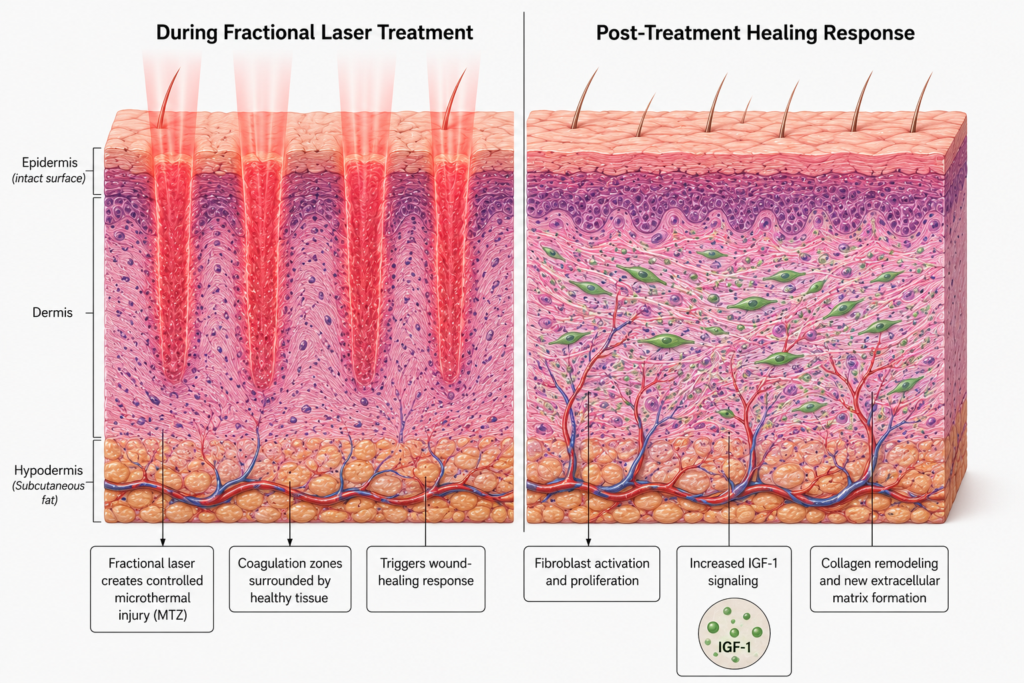
The paper also suggests that lasers may:
- Reduce the burden of precancerous UV-damaged cells
- Improve immune surveillance against abnormal cells
- Promote regeneration of healthier epidermal tissue
- Improve actinic keratoses before they progress toward squamous cell carcinoma
Some evidence even suggests deeper wavelength lasers may trigger a stronger immune response because they penetrate further into the skin.
Which lasers are being discussed?
Dr. Hoffman notes that both ablative and nonablative resurfacing lasers are being explored in this area.
Historically, ablative lasers like CO2 lasers and Erbium resurfacing lasers had already shown evidence of reducing future keratinocyte carcinomas. But the newer excitement centers around non-ablative fractional lasers because they involve significantly less downtime and lower risk of complications.
Examples include:
- Fraxel
- Halo
- Clear + Brilliant
- Moxi
“These are devices many patients already associate with cosmetic rejuvenation,” Dr. Hoffman says. “What’s fascinating is that we may also be improving the underlying health and resilience of chronically sun-damaged skin.”
Important limitations patients should understand
The researchers are very clear that this does not mean lasers are a substitute for sunscreen or routine skin exams.
The study was relatively small, retrospective, and focused specifically on patients with previous facial basal and squamous cell carcinomas.
It also does not apply to melanoma prevention.
Still, the findings are important because many traditional field therapies for precancerous sun damage can involve significant irritation, discomfort, or inconsistent long-term results. The paper notes that some established preventative treatments, including topical therapies, have limitations in durability or tolerability.
Nonablative fractional lasers may eventually become part of a broader preventative strategy for high-risk patients with significant cumulative sun damage.
A new era of preventative dermatology
For decades, aesthetic dermatology and medical dermatology were often viewed as separate worlds.
Research like this is beginning to blur that line.
Lasers that were once used primarily to improve texture and reverse visible photodamage may also be influencing the deeper biological pathways that determine how skin ages and how damaged cells behave over time.
“This is one of the reasons regenerative dermatology is becoming such an important field,” says Dr. Hoffman. “We’re learning that improving skin health at a cellular level has effects that extend well beyond cosmetics.”
And while sunscreen remains the foundation of skin cancer prevention, studies like this suggest the future may involve something far more proactive than simply treating cancers after they appear.
Medical disclaimer
This article is for informational purposes only and does not constitute medical advice. Skincare products and treatments should be selected in consultation with a qualified dermatologist, especially for individuals with underlying skin conditions or sensitivities.

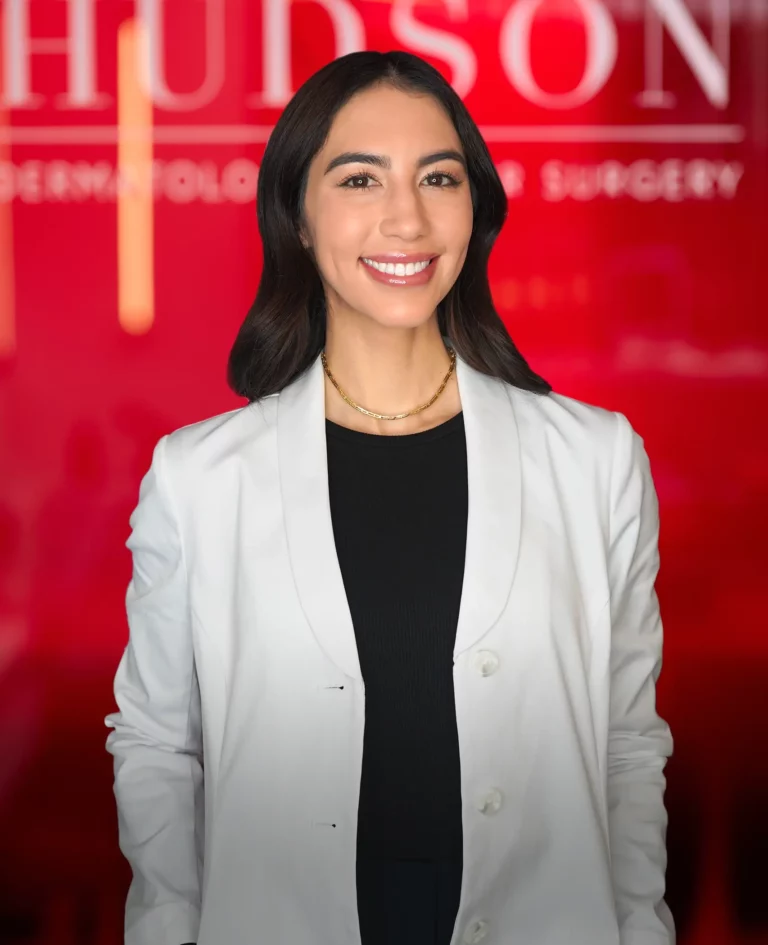
About Dr. Chelsea Hoffman
Dr. Chelsea Hoffman is a board-certified dermatologist at Hudson Dermatology & Laser Surgery in New York City, specializing in both medical and cosmetic dermatology.
Her clinical focus includes acne, sensitive skin conditions such as eczema and rosacea, as well as personalized cosmetic treatments.
She is known for a thoughtful, patient-centered approach that prioritizes evidence-based skincare and realistic routines over trends. Rather than recommending overly complex regimens, Dr. Hoffman focuses on helping patients understand their skin and build routines that are both effective and sustainable.