A dermatologist-guided approach to skin exfoliation in the winter with Dr. Chelsea Hoffman of Hudson Dermatology & Laser Surgery
Winter has a way of humbling even the most loyal skincare routines. What once felt effective can suddenly leave skin looking dull, flaky, or reactive.
According to New York Based dermatologist Dr. Chelsea Hoffman, cold temperatures, indoor heating, and low humidity accelerate moisture loss and weaken the skin barrier, making exfoliation both more important and more delicate during the winter months.
This guide breaks down how to exfoliate safely and effectively in winter, compares the most common exfoliation methods, and explains when exfoliation stops being helpful and it’s time to see a specialist.
Why winter skin needs a different exfoliation strategy
Cold weather causes the skin to lose water faster than it can replace it. As Dr. Hoffman explains in a recent Women’s Health article,
“Cold weather and the resulting indoor heating and low humidity cause skin to lose water faster than it can replenish it. As your outer layer dries out, its protective barrier weakens.”
A compromised barrier allows dead skin cells to accumulate unevenly on the surface. This buildup scatters light, making skin appear dull, and prevents moisturizers from penetrating effectively.
Strategic exfoliation removes this excess keratin buildup but in winter, restraint is key.
Understanding the two main types of exfoliation
Chemical Exfoliation
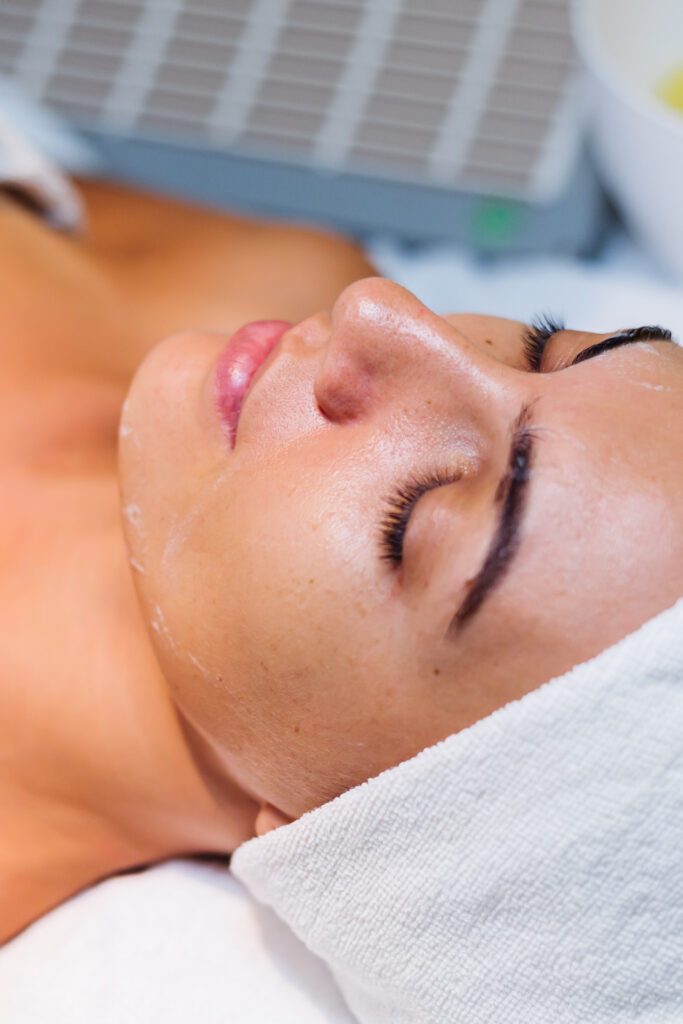
Chemical exfoliants use acids or keratolytic ingredients to dissolve the bonds holding dead skin cells together.
Common dermatology-backed options include:
- Alpha hydroxy acids (AHAs) such as glycolic and lactic acid
- Beta hydroxy acids (BHAs) such as salicylic acid
- Urea, which exfoliates while drawing water into the skin
Peer-reviewed dermatology literature consistently shows that chemical exfoliants provide more even cell turnover with less mechanical trauma when used appropriately, especially in sensitive or aging skin.
Dr. Hoffman notes that gentler, controlled exfoliation is particularly important in winter, reinforcing guidance echoed by multiple dermatologists.
Physical Exfoliation
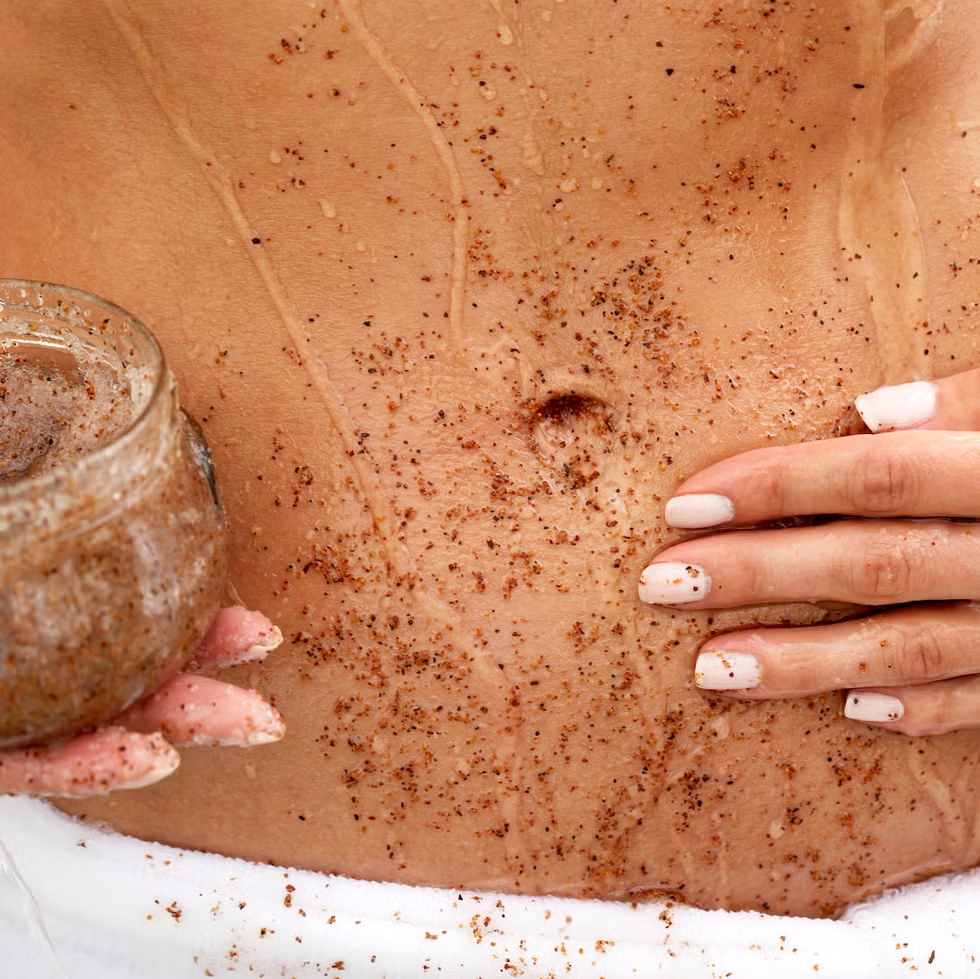
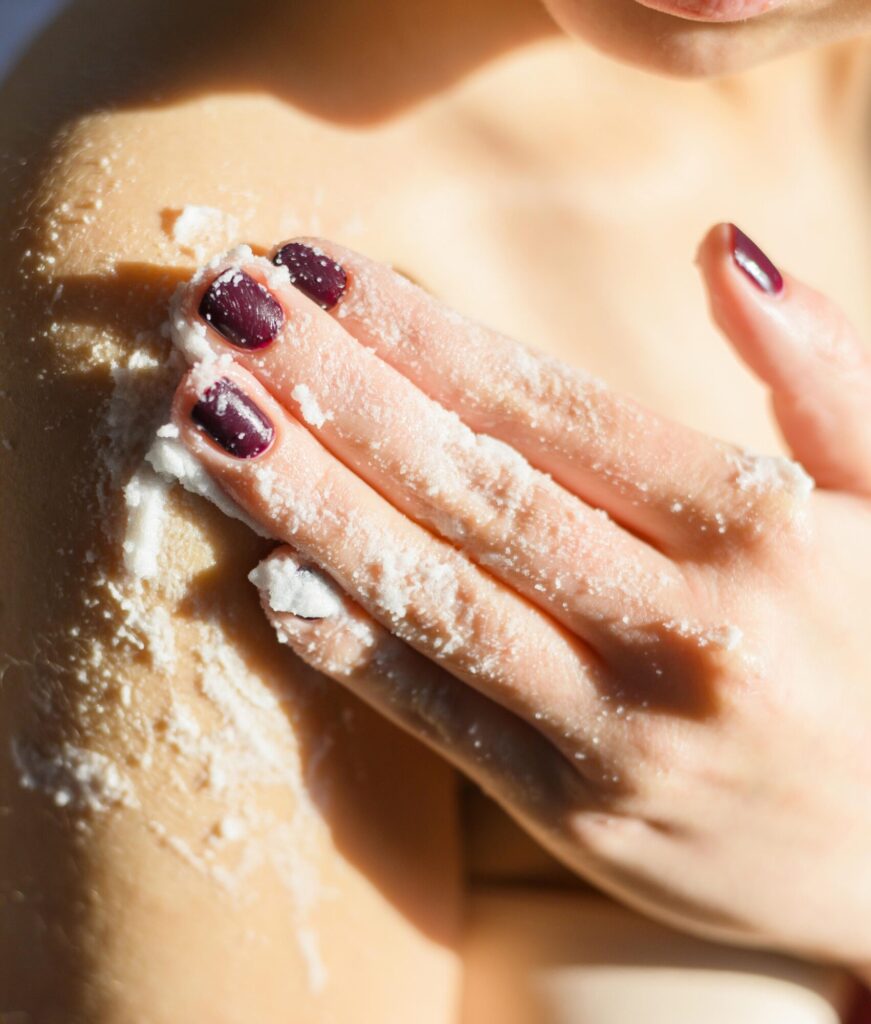
Physical exfoliation removes dead skin cells through manual friction, such as scrubs, brushes, or mitts.
Benefits
- Immediate smoothing
- Temporary improvement in texture and circulation
Risks
- Higher potential for barrier disruption
- Microtears if pressure or abrasiveness is too aggressive
For winter skin, physical exfoliation should be infrequent and intentionally gentle.
Chemical vs. Physical exfoliation: Which is better in winter?
In colder months, most dermatologists, including those quoted alongside Dr. Hoffman lean toward chemical exfoliation.
Chemical exfoliation offers:
- Greater precision
- Lower risk of irritation when used correctly
- Better long-term tolerance for dry or mature skin
That said, combination approaches can work for certain patients. Light chemical exfoliation paired with minimal physical exfoliation (used sparingly) can help maintain smoothness without stripping the barrier. The best method is ultimately the one your skin tolerates consistently.
Should You Exfoliate on Dry or Wet Skin?
Dr. Hoffman aligns with the broader dermatology consensus: exfoliation should typically follow cleansing.
Exfoliating on freshly cleansed, damp skin allows for:
- Reduced friction
- More even product distribution
- Lower irritation risk
Dry exfoliation, such as dry brushing, can stimulate circulation but is more aggressive and may worsen sensitivity in winter-prone skin types.
How often should you exfoliate in winter?
Over-exfoliation is one of the most common winter skincare mistakes.
Most patients do best with:
- One to three times per week, depending on skin sensitivity and product strength
As emphasized in the original article, daily exfoliation is rarely necessary and should only be reserved for ultra-gentle formulas designed specifically for frequent use.
Listening to your skin matters more than sticking to a rigid schedule.
When exfoliation doesn’t help and when is it time to see a specialist
Exfoliation is not a cure-all. If skin remains persistently rough, irritated, inflamed, or uncomfortable despite gentle exfoliation, the issue may not be surface-level.
Signs exfoliation is no longer the answer:
- Burning or stinging with basic skincare
- Ongoing redness or sensitivity
- Cracking, oozing, or painful patches
- Flare-ups of eczema, psoriasis, or dermatitis
In these cases, professional evaluation is essential. Dermatologists can assess whether barrier repair, prescription treatments, or in-office procedures are more appropriate.
Professional exfoliation options at Hudson dermatology & laser surgery
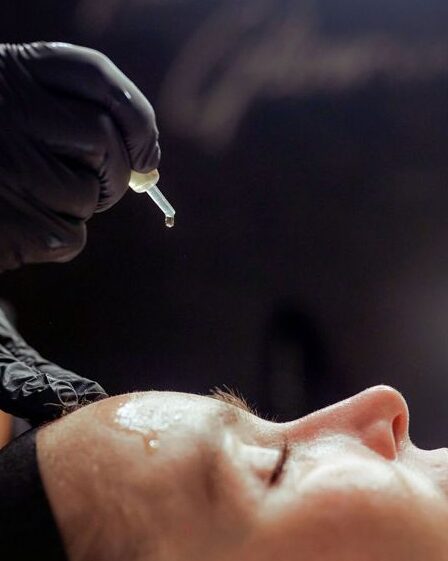
If you feel that you are the type of person that would like to leave exfoliation to the professionals, we’re here to provide. For individuals who need more targeted support, Hudson Dermatology & Laser Surgery offers a range of in-office exfoliation and resurfacing treatments, including:
- Superficial chemical peels for dullness and uneven texture
- Lactic and glycolic acid peels for dryness and early signs of aging
- Salicylic-based peels for congestion and keratosis pilaris
- Customized peel protocols selected based on skin type and season
These treatments are designed to exfoliate safely while supporting long-term skin health.
Final Takeaway
Winter exfoliation should feel supportive, not aggressive. As Dr. Chelsea Hoffman’s insights underscore, protecting the skin barrier while encouraging healthy cell turnover is the balance that keeps skin smooth, comfortable, and luminous all season long.
Medical disclaimer
This article is for informational purposes only and does not constitute medical advice. Skincare products and treatments should be selected in consultation with a qualified dermatologist, especially for individuals with underlying skin conditions or sensitivities.


About Dr. Chelsea Hoffman
Dr. Chelsea Hoffman is a board-certified dermatologist at Hudson Dermatology & Laser Surger in New York City. She is trained in medical and cosmetic dermatology, with particular expertise in laser treatments, skin barrier health, and sensitive skin conditions.
At Hudson Dermatology, Dr. Hoffman treats concerns ranging from dryness and texture changes to tone irregularities, helping patients navigate seasonal skin shifts with evidence-based, individualized care.