Dr. Dhaval Bhanusali on next-generation retinoids, skin longevity, and why texture matters
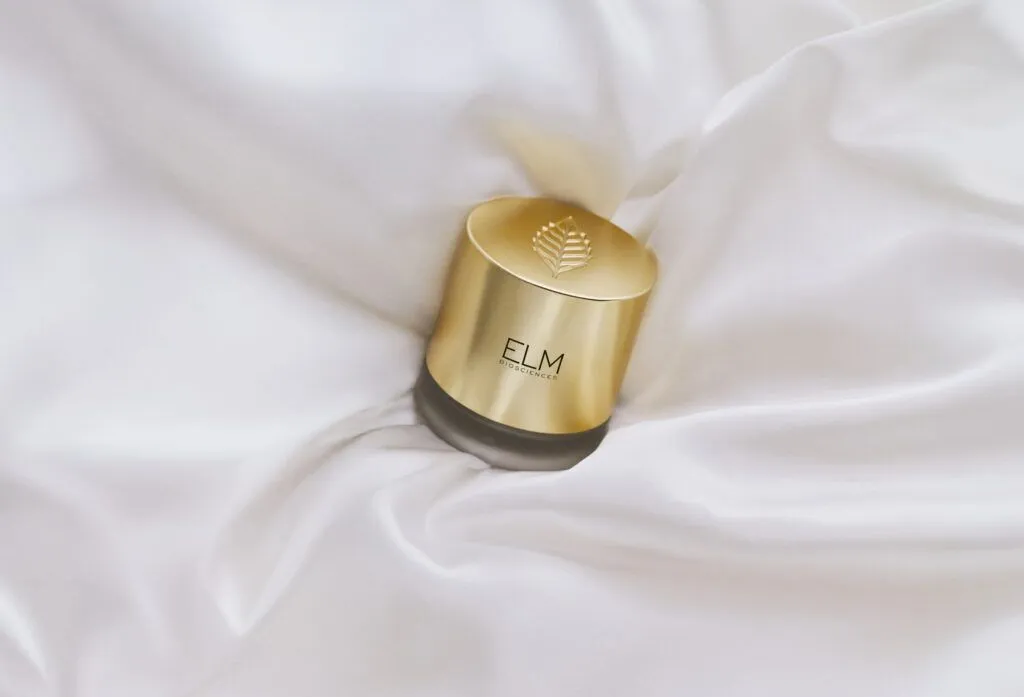
When a new skincare product comes from a collaboration between Martha Stewart and Dr. Dhaval Bhanusali, expectations are understandably high. The launch of the A3O™ Elemental Night Cream from Elm Biosciences reflects more than a typical product drop. It represents years of clinical development, a deliberate rethink of retinoids, and a broader philosophy around skin longevity rather than quick cosmetic fixes.
In the latest People.com article board-certified dermatologist Dr. Bhanusali of Hudson Dermatology & Laser Surgery in New York City highlights how clinical dermatology increasingly intersects with consumer skincare, especially when formulas are built with scientific rigor and long-term skin health in mind.
Why Elm Biosciences focused on a night cream for its newest release
Elm Biosciences began with a serum. However, the long-term vision extended far beyond a single hero product. As Stewart has shared publicly, the goal was never to suggest that one formula could replace every step in a routine. Modern skin is exposed to environmental stressors, inflammation, and barrier disruption, and addressing those factors typically requires thoughtful layering.
A night cream was always part of that roadmap. Nighttime is when skin shifts into repair mode, increasing cell turnover and barrier recovery. According to Dr. Bhanusali, that window presented both an opportunity and a challenge: how to deliver meaningful actives overnight without triggering irritation, dryness, or the retinoid side effects many patients fear.
The science behind a “fourth-generation” retinoid
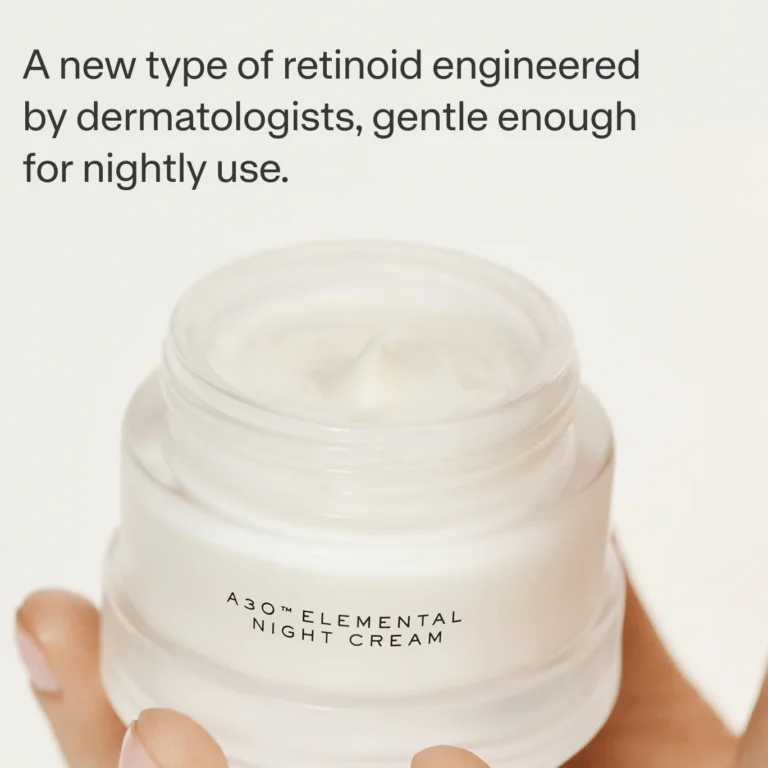
One of the most talked-about aspects of the A3O™ Elemental Night Cream is its use of what Dr. Bhanusali describes as a fourth-generation retinoid. Traditional retinoids have long been a gold standard in dermatology, but they are also among the most common causes of irritation, especially when used incorrectly.
Dr. Bhanusali explains retinoid evolution in clear terms. Early first-generation retinoids, such as tretinoin, were highly effective but often harsh. Later generations improved tolerability, yet many patients still struggled with redness, peeling, or compromised barriers. This new generation targets a different receptor pathway, allowing for skin-renewing benefits without the same level of irritation.
From a clinical standpoint, this matters. In practice, dermatologists see many patients who abandon retinoids altogether after a poor experience. A formulation that delivers smoothing and firming benefits while respecting the skin barrier has the potential to improve adherence and long-term outcomes.
Why formulation took more than two years
Creating a tolerable retinoid cream was not simply a matter of selecting the right molecule. Dr. Bhanusali has shared that early versions of the formula were too aggressive. Finding the right delivery system, stabilizing the active, and pairing it with supportive ingredients required extensive iteration.
The final formula combines the brand’s proprietary A3O™ complex with ectoin and barrier-strengthening lipids. These ingredients are designed to support hydration and resilience while the retinoid works gradually in the background. Texture also played a critical role. Stewart was clear about wanting a cream that felt elegant, comforting, and luxurious, rather than medicinal or drying.
From a dermatology perspective, texture is not just cosmetic. A product that feels good is more likely to be used consistently, which ultimately determines whether an active ingredient delivers real benefits.
Addressing retinoid hesitation head-on
Interestingly, Stewart herself was historically not a fan of retinoids, citing concerns many patients share: dryness, irritation, and sensitivity. For Dr. Bhanusali, this skepticism became part of the design brief.
His task was not simply to convince a co-founder, but to solve a broader patient problem seen daily in dermatology offices. Many individuals want the benefits of vitamin A derivatives but cannot tolerate traditional formulations. Engineering a product that challenges that narrative requires both clinical insight and patience.
The result is positioned not as an aggressive resurfacing treatment, but as a supportive overnight cream that aligns with skin longevity principles.
Skin longevity over short-term results
At Hudson Dermatology & Laser Surgery in New York City, the concept of skin longevity is central to treatment planning. Rather than focusing solely on erasing lines or correcting damage after it appears, longevity-driven care aims to preserve barrier integrity, reduce chronic inflammation, and support collagen health over decades.
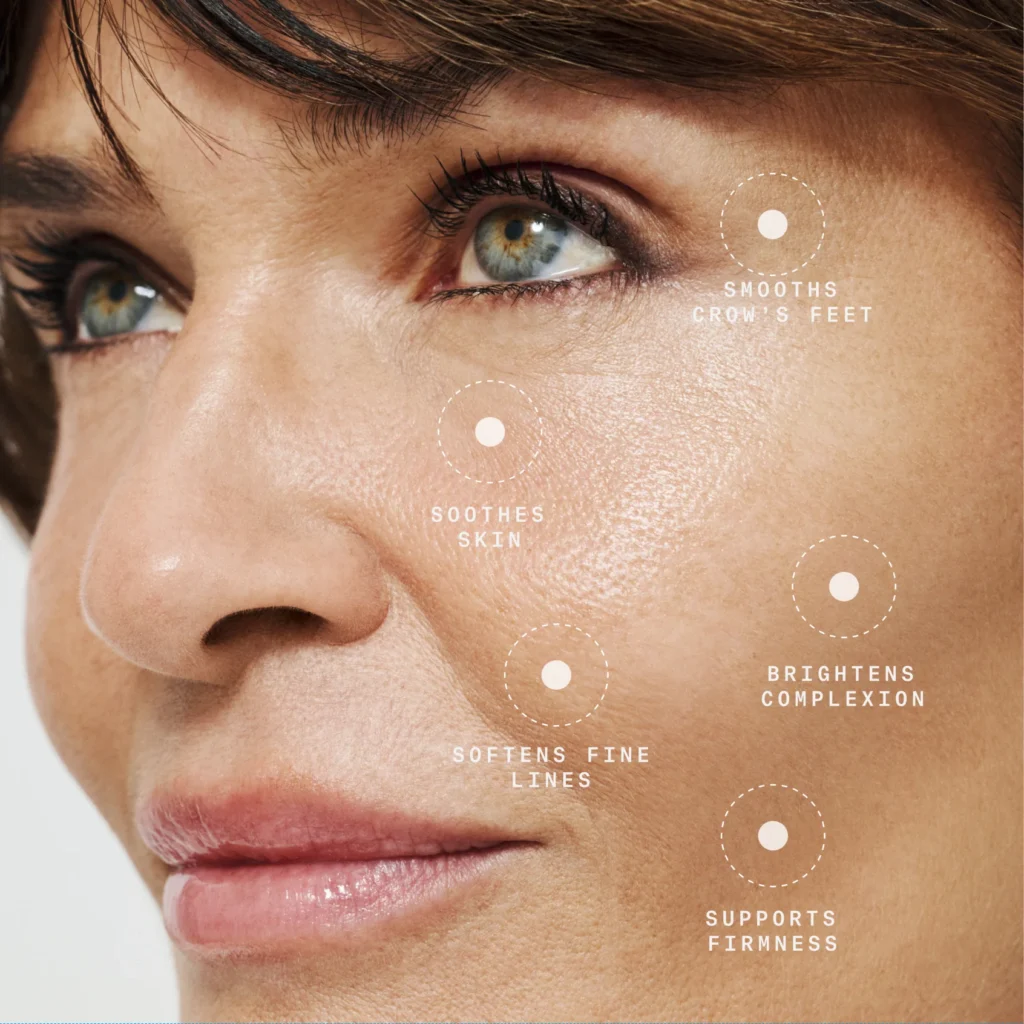
The A3O™ Elemental Night Cream fits neatly into that philosophy. Its goal is not dramatic peeling or rapid turnover, but gradual improvement in texture, firmness, and hydration while maintaining barrier function. This approach mirrors how dermatologists increasingly counsel patients to think about skincare as a long-term investment, not a quick fix.
The role of extensive dermatologic advisory input
Elm Biosciences works with an unusually large advisory board, reportedly involving hundreds of dermatologists, scientists, and researchers. From a clinical credibility standpoint, this level of review adds meaningful weight. Product feedback is not anecdotal but grounded in testing, formulation science, and professional scrutiny.
For patients and consumers, this matters because it reduces the gap between in-office dermatology and at-home care. While no over-the-counter product replaces professional treatment, formulas developed with this level of oversight are more likely to align with dermatologic best practices.
Helena Christensen and the message of aging well
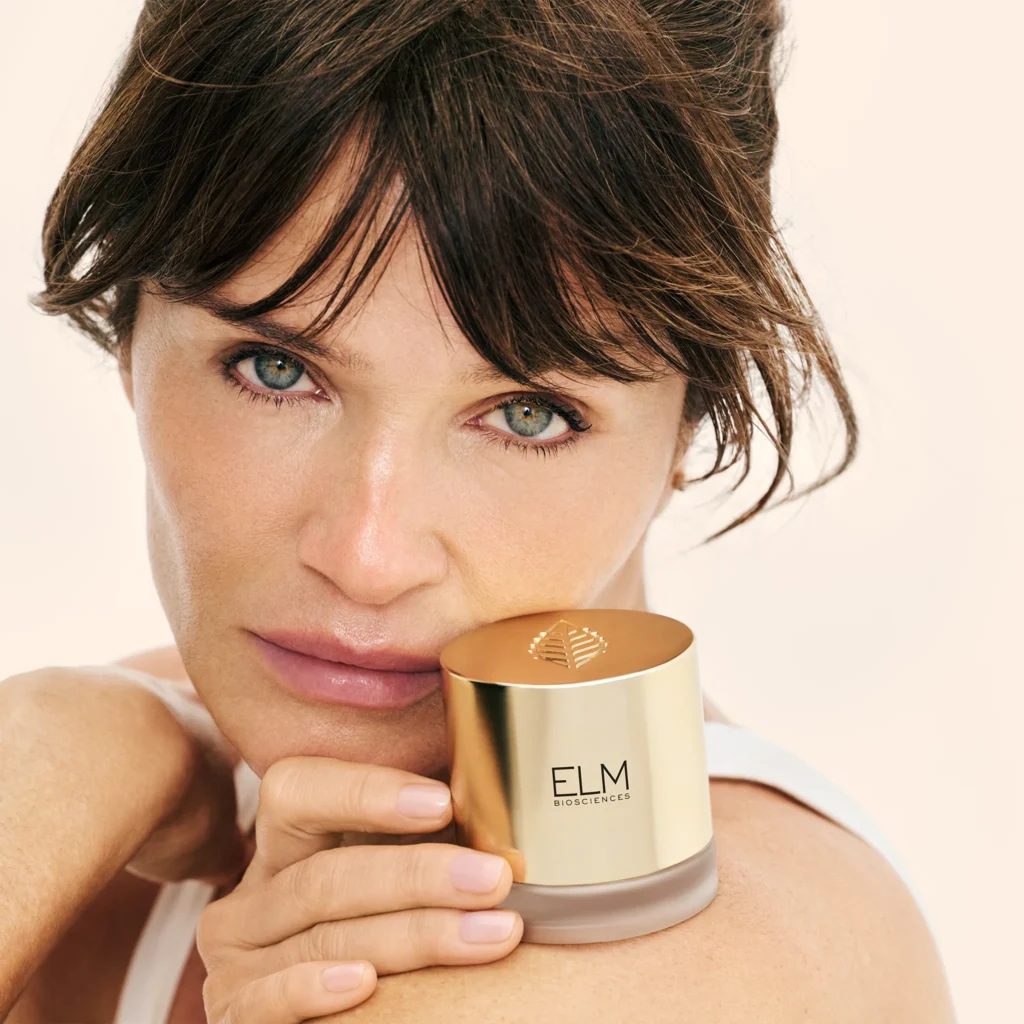
The campaign for the night cream is fronted by Helena Christensen, a choice that feels intentional rather than purely aesthetic. At 57, Christensen represents a narrative that resonates strongly with skin longevity: aging with confidence, health, and authenticity rather than chasing youth at all costs.
Her involvement underscores the brand’s positioning. This is not skincare designed to “turn back the clock,” but to support skin as it evolves. In an industry often dominated by unrealistic anti-aging promises, that message feels notably aligned with how dermatologists now speak about skin longevity.
Where this fits into a dermatologist-guided routine
From a clinical perspective, a night cream like this works best as part of a broader routine. Gentle cleansing, barrier-supportive hydration, sun protection during the day, and periodic in-office treatments all contribute to results. Dr. Bhanusali often emphasizes that no single product operates in isolation.
For patients considering retinoids for the first time, or those returning after sensitivity issues, a formula designed with tolerability in mind may offer a more sustainable entry point. As always, individualized guidance from a dermatologist remains essential, particularly for patients with sensitive skin conditions, rosacea, or eczema.
A reflection of where clinical skincare is headed
The launch of the A3O™ Elemental Night Cream illustrates a broader shift in skincare. Clinically trained dermatologists are increasingly involved in consumer formulations, bringing evidence-based thinking into products designed for daily use. When done thoughtfully, this can bridge the gap between prescription treatments and cosmetic skincare.
For Dr. Bhanusali, the project represents both professional responsibility and creative challenge. As he has noted, delivering on a brand built around advanced science carries pressure, but also the opportunity to redefine what patients expect from at-home skincare.
Medical disclaimer
This article is for informational purposes only and does not constitute medical advice. Skincare products and treatments should be selected in consultation with a qualified dermatologist, especially for individuals with underlying skin conditions or sensitivities.

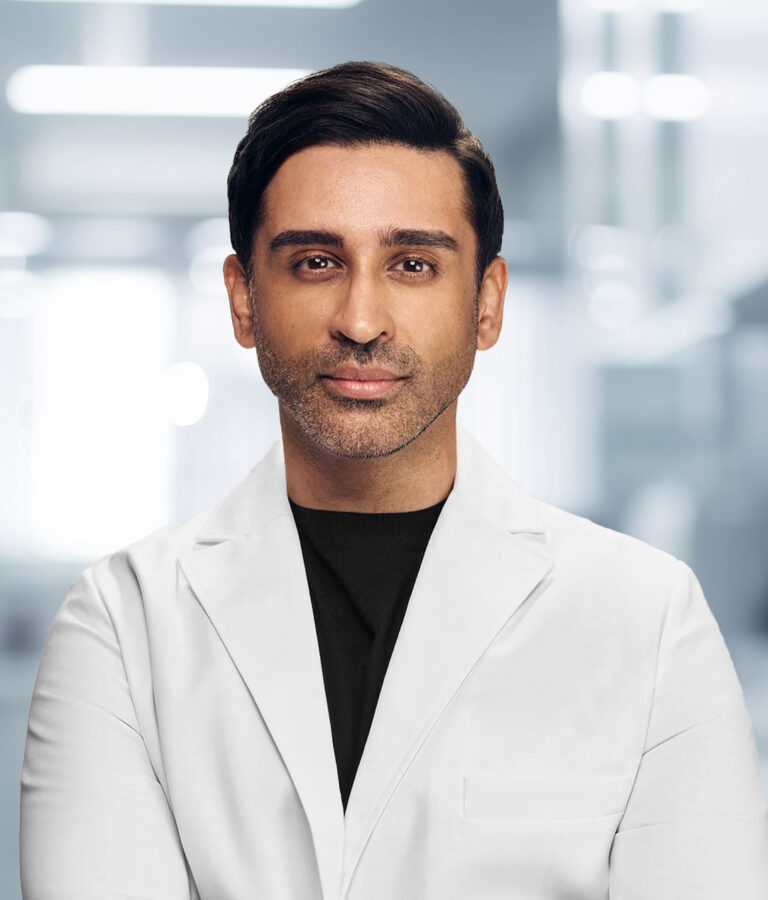
Doctor bio
Dr. Dhaval Bhanusali, MD, FAAD, is a board-certified dermatologist at Hudson Dermatology & Laser Surgery in New York City. He specializes in medical and cosmetic dermatology with a focus on skin longevity, barrier health, and evidence-based innovation. Dr. Bhanusali is also a co-founder of Elm Biosciences.