For decades, anti-aging dominated skincare and aesthetic medicine. The goal was simple: erase wrinkles, tighten skin, and reverse visible signs of aging once they appeared. But this reactive mindset has a fundamental flaw. It treats aging as a cosmetic failure rather than a biological process.
At Hudson Dermatology & Laser Surgery, we see aging differently. Skin does not suddenly “age” at 40 or 50. It changes gradually, influenced by cumulative sun exposure, inflammation, collagen loss, and barrier breakdown over time. By the time visible signs appear, the underlying processes have often been active for years.
This is why anti-aging is being replaced by skin longevity. A forward-thinking, biology-driven approach focused on maintaining skin health, resilience, and function across every decade of life.
Rather than chasing correction, skin longevity emphasizes planning ahead, supporting the skin’s natural systems, and making choices that compound positively over time.
What Skin Longevity Really Means
Skin longevity is not about stopping aging. Aging is natural. Longevity is about how well the skin ages.
Instead of targeting isolated concerns, this approach prioritizes the long-term health of the skin by focusing on:
- Maintaining a strong, functional skin barrier
- Supporting collagen and elastin production before major loss occurs
- Reducing chronic inflammation that accelerates aging
- Preventing sun damage and addressing its effects early
- Choosing regenerative, supportive treatments over aggressive, one-time fixes
When the skin is supported consistently, it retains its ability to repair, recover, and respond to treatment. Results don’t just appear. They accumulate, reducing the need for dramatic correction later.
Why the Anti-Aging Model Is Being Replaced
Traditional anti-aging often focuses on visible outcomes alone: smoothing lines, tightening laxity, or evening tone after changes have already set in. While these treatments can be effective short-term, they may overlook the biological health of the skin itself.
Skin longevity works deeper. It considers how skin cells function over time, how collagen is preserved or depleted, and how repeated inflammation or UV exposure affects the skin’s structure decade after decade.
Collagen loss, for example, doesn’t happen overnight. It begins subtly in the early 30s and accelerates with sun exposure, oxidative stress, and repeated injury to the skin barrier. A longevity-based strategy aims to slow this process early instead of scrambling to rebuild once significant loss has occurred.
This shift allows dermatologists to design strategies that preserve skin quality, not just improve appearance.
Skin Longevity by Decade
In Your 30s: Preservation and Protection
In your 30s, skin often still looks “good,” which is why this decade is frequently overlooked. But beneath the surface, early changes are already underway. Pigment may take longer to fade, texture may feel less even, and recovery after stress or inflammation can slow.
This is the decade where longevity planning matters most.
At Hudson Dermatology & Laser Surgery, the focus in your 30s is protecting what you already have and minimizing cumulative damage before it compounds.
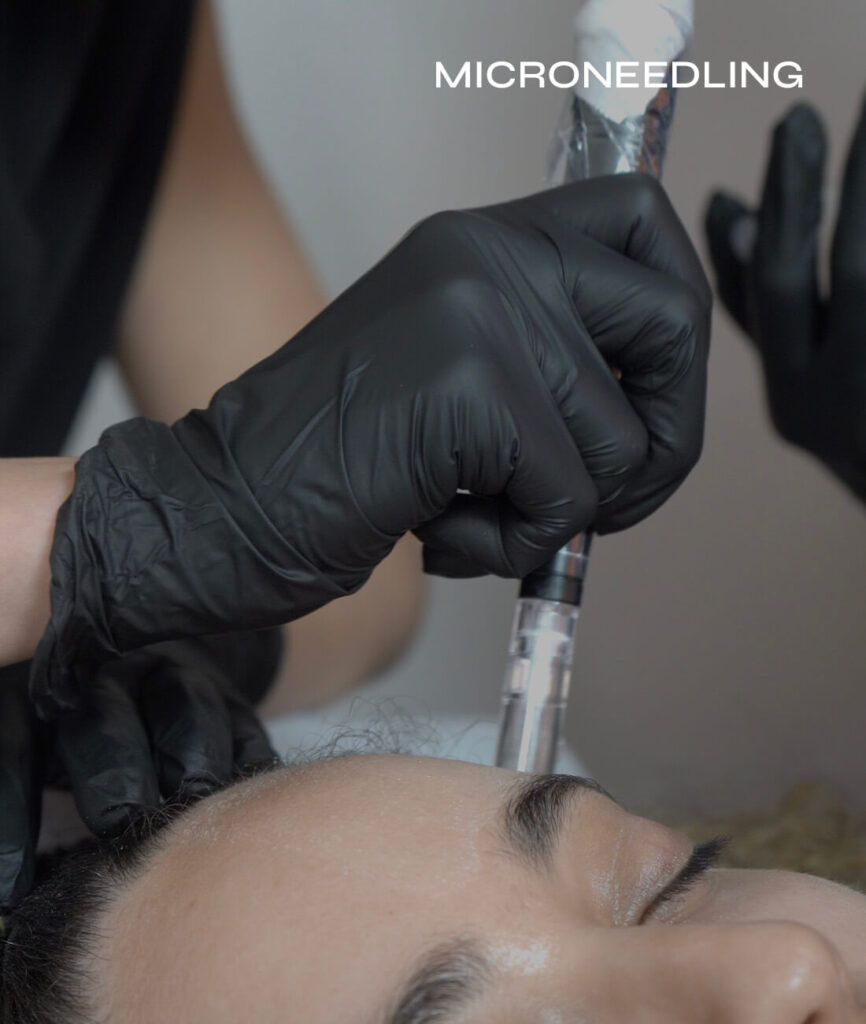
Common approaches may include preventive lasers to support early collagen production, light-based treatments to address early pigment or redness, medical-grade skincare to strengthen the barrier, and microneedling to support texture and resilience.
The goal is not transformation. It’s preservation by maintaining skin quality so future changes happen more slowly and more evenly.
In Your 40s: Strengthening and Regeneration

By your 40s, collagen production naturally declines at a faster rate. Skin may feel less firm, tone may appear less even, and early volume changes can become noticeable.
This is where longevity shifts from preservation to reinforcement.
Rather than replacing structure, longevity-focused care supports the skin’s ability to regenerate. Treatments are chosen to stimulate collagen, improve cellular turnover, and reduce inflammation that can accelerate aging.
This may include collagen-stimulating lasers, pigment and redness correction, biostimulators that encourage natural collagen production, and microneedling with or without PRP to improve skin quality.
The goal in your 40s is strengthening and supporting the skin so changes remain gradual, balanced, and natural.
This is often where the question becomes:
Are you reacting to changes or actively supporting your skin as it evolves?
In Your 50s: Thoughtful Restoration
In your 50s, skin changes often feel more structural. Laxity becomes more apparent, volume shifts are clearer, and maintaining texture and tone with skincare alone becomes more challenging.
Longevity in this decade focuses on restoring support carefully and most importantly, without overcorrecting.
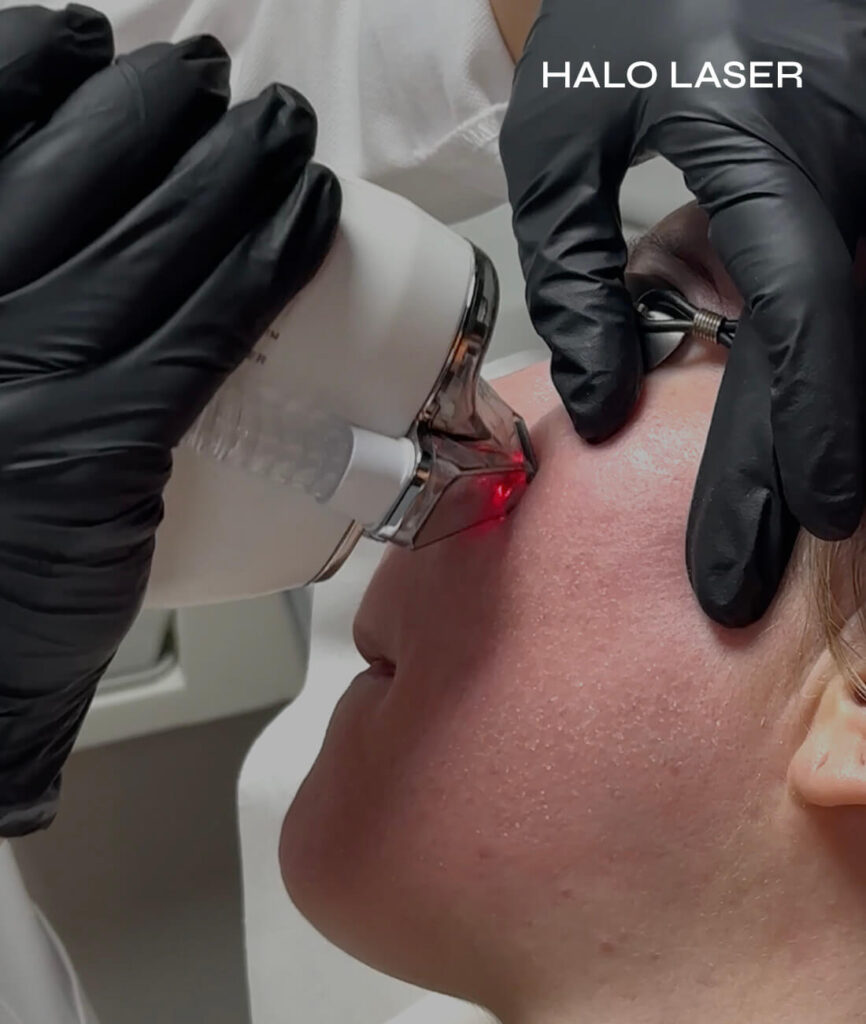
At Hudson Dermatology & Laser Surgery, this often includes collagen-building treatments such as biostimulators, energy-based tightening technologies, resurfacing or regenerative lasers, and targeted injectables used conservatively.
The emphasis is not on chasing a younger version of yourself. It’s on restoring balance, supporting skin integrity, and maintaining quality of skin.
Without a long-term plan, this is the decade where it’s easiest to do too much, too quickly, or in the wrong order.
In Your 60s and Beyond: Maintenance and Stability
By their 60s, many patients understand how their skin responds. Longevity shifts from change to maintenance.
The focus becomes minimizing inflammation, preserving results, and keeping the skin comfortable, resilient, and healthy.
Maintenance strategies may include periodic laser treatments, ongoing collagen support, barrier-focused skincare, and treatments spaced intentionally rather than frequently.
Consistency matters more than intensity. At this stage, longevity is not about fixing. It’s about maintaining the skin’s ability to function well.
The question becomes:
What does my skin need to stay stable, supported, and resilient?
Why Planning Matters in Skin Longevity
Every decade requires different tools, but the principle remains the same: skin longevity works best when it’s planned.
Without a long-term strategy, treatments become reactive. With a plan, they become cumulative. Each decision supports the next, reducing the need for aggressive intervention later.
Longevity is not about doing more. It’s about doing the right things at the right time.
The HDLS Approach to Skin Longevity
At Hudson Dermatology & Laser Surgery, skin longevity guides how treatments are selected, timed, and combined. The goal is not quick fixes, but sustainable skin health built over years.
By focusing on prevention, regeneration, and maintenance rather than reaction, we help patients protect the quality of their skin at every stage of life.
If you’re wondering what a long-term plan should look like for your skin, a consultation can help align treatments with your current needs and future goals.
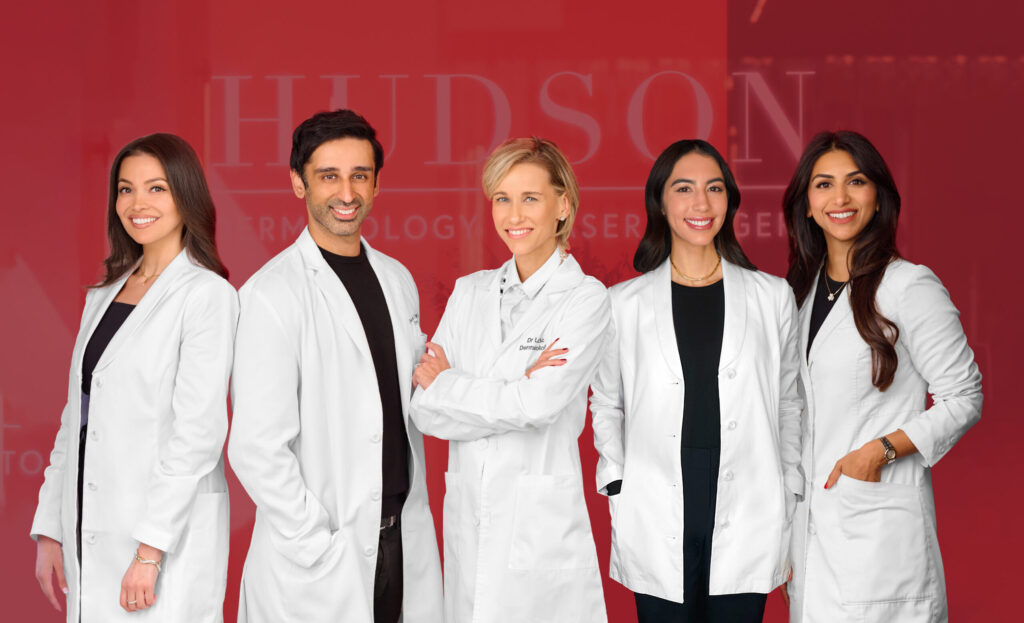
Your skin longevity, guided by dermatology
Our Board-certified dermatologists will create a personalized plan of science-backed treatments for the optimal skin longevity experience that will help you retain you skin’s function, quality, and longevity over time.