
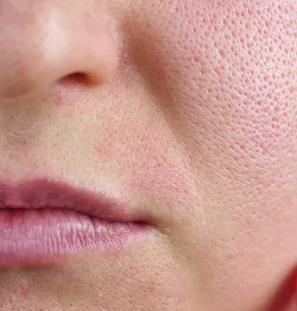
A dermatologist-guided approach with Dr. Dhaval Bhanusali of Hudson Dermatology and Laser Surgery in New York City.
If your skin suddenly feels tight, reactive, or inflamed despite using “good” skincare, then your skin barrier may be compromised.
The skin barrier, medically known as the stratum corneum, is the outermost layer of the skin. It functions as both shield and seal: protecting against environmental stressors while preventing water loss. When it’s intact, skin appears smooth, resilient, and luminous. When it’s disrupted, irritation and dehydration follow quickly.
According to Dr. Dhaval Bhanusali, board-certified dermatologist at Hudson Dermatology & Laser Surgery in New York City, barrier repair is not about adding more products but more about restoring balance.
“The barrier is your skin’s foundation. When it’s compromised, even the best ingredients can cause irritation. Repair always comes before correction.”
What Is the Skin Barrier—and Why Does It Matter?
The outermost layer of skin is composed of corneocytes (flattened skin cells) embedded in a lipid matrix made of ceramides, cholesterol, and fatty acids. Dermatology research often describes this structure as a “brick and mortar” system:
- Bricks = skin cells
- Mortar = lipids (ceramides, cholesterol, fatty acids)
Together, they regulate transepidermal water loss (TEWL) and block irritants, pollution, UV radiation, and microbes.
When lipids are depleted through over-exfoliation, harsh cleansers, retinoid misuse, or environmental stress, the barrier weakens. As Dr. Bhanusali explains:
“We see barrier disruption most often from overuse of actives. Too many acids, too much retinol, or aggressive treatments without recovery time.”
Signs Your Skin Barrier Is Damaged
Barrier damage does not always look dramatic. Often, it presents subtly:
- Persistent dryness or tightness
- Stinging with products that previously felt fine
- Redness or blotchiness
- Increased breakouts
- Dull or uneven texture
- Delayed healing
In some patients, underlying conditions such as eczema or rosacea may flare when the barrier is compromised.
What Causes Barrier Damage?
While genetics can play a role, the most common triggers include:
- Over-exfoliation (chemical or physical)
- Overuse of retinoids
- Frequent laser or in-office procedures without recovery
- Harsh cleansers or high-foaming surfactants
- Cold weather and indoor heating
- UV exposure
In New York City especially, pollution and seasonal climate shifts further strain the barrier.
How To Repair a Damaged Skin Barrier
Repair requires restraint and strategic ingredient selection.
1. Pause Active Ingredients
Dr. Bhanusali advises temporarily discontinuing exfoliating acids, retinoids, and strong vitamin C formulas.
“If your skin is inflamed, it doesn’t need more stimulation. It needs support.”
Allowing the skin time to stabilize is the first step toward recovery.
2. Focus on Barrier-Lipid Replacement
Dermatology literature consistently supports replenishing ceramides, cholesterol, and fatty acids in balanced ratios. The outermost layer of the skin is often described using the “brick and mortar” model: skin cells are the bricks, and the surrounding lipids. These are primarily ceramides, cholesterol, and free fatty acids which act as the mortar that holds everything together.
When this lipid “mortar” is depleted through overuse of actives, harsh cleansers, or environmental stress, microscopic gaps form, leading to water loss and irritation.
Look for:
- Ceramides
- Cholesterol
- Fatty acids
Ceramides help fill those gaps and reduce moisture loss. Cholesterol (a structural skin lipid, not dietary cholesterol) restores flexibility and organization within the lipid layers. Fatty acids reinforce structural integrity. Together, these ingredients mimic the skin’s natural composition and improve long-term resilience.
These ingredients mimic the skin’s natural lipid composition and improve long-term resilience.
3. Add Humectants for Water Retention
A compromised barrier loses water rapidly. Humectants draw moisture into the upper layers of the skin.
Effective humectants include:
- Hyaluronic acid
- Glycerin
- Urea (in appropriate concentrations)
Dr. Bhanusali often recommends layering hydration beneath occlusive ingredients to lock moisture in.
4. Seal and Protect
For severely compromised skin, occlusive ointments can reduce water loss while the barrier heals.
In the original article, Dr. Bhanusali highlighted Aquaphor as an effective option for sealing in moisture:
It helps “seal moisture into dry, cracked skin,” particularly when skin is extremely compromised.
This approach, often referred to as “slugging,” should be used strategically and not daily for acne-prone skin.
When Barrier Repair at Home Isn’t Enough
If your skin does not improve after simplifying your routine, it may be time to seek professional guidance. Persistent burning or stinging, worsening redness, severe flaking or cracking, flare-ups of rosacea or eczema, or complications following a procedure are all signs that the barrier requires more structured medical support.
At Hudson Dermatology & Laser Surgery, treatment plans may include prescription-strength topicals, regenerative therapies, or carefully calibrated laser protocols designed to strengthen the skin rather than further stress it.
A Smarter Philosophy: Repair Before You Resurface
Barrier damage is often a sign that your routine has become too aggressive for your skin’s current state.
Dr. Bhanusali emphasizes a foundational mindset:
“Healthy skin isn’t about layering more. It’s about building strength from the outside in.”
Once the barrier is restored, actives and corrective treatments can be reintroduced strategically.


About Dr. Dhaval Bhanusali
Dr. Dhaval Bhanusali is a board-certified dermatologist at Hudson Dermatology & Laser Surgery.
He specializes in medical and cosmetic dermatology, with particular expertise in advanced laser treatments, skin longevity, and barrier-focused skincare strategies that support long-term skin health.