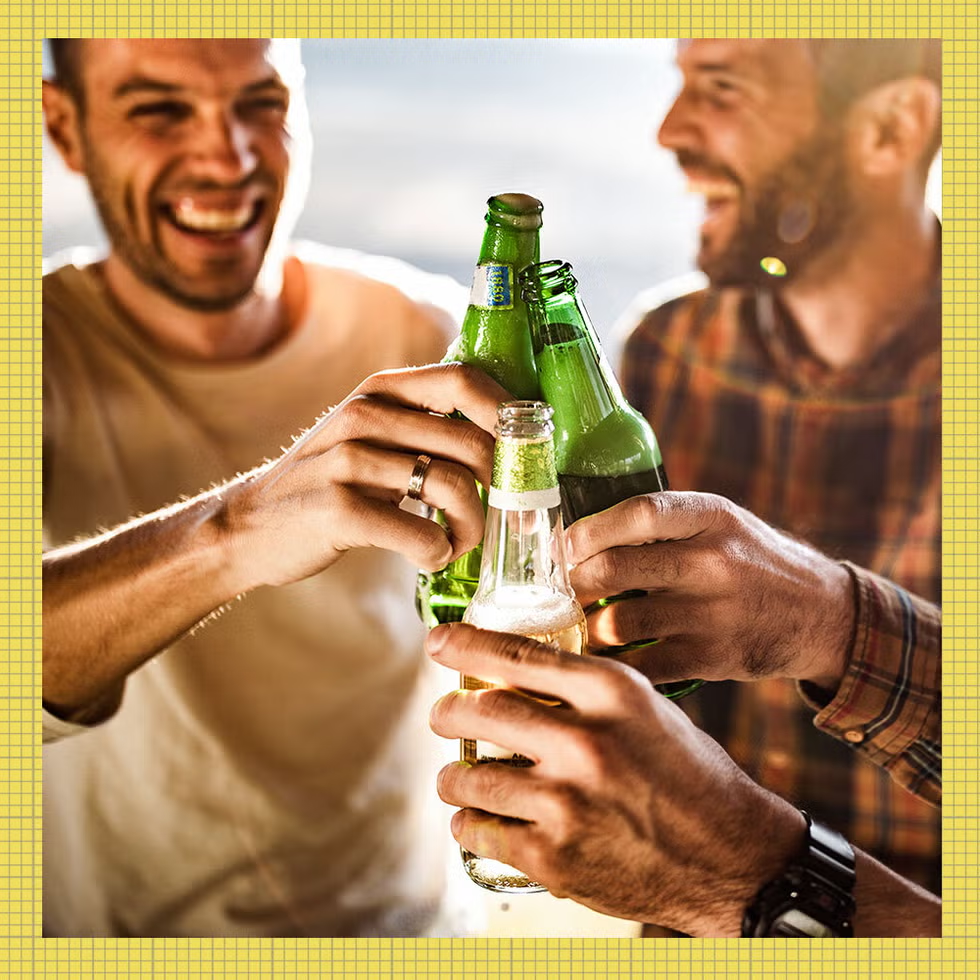
A glass of wine here or a cocktail there can be a part of modern social life. But what shows up on your skin the next morning tells a different story.
From subtle dullness to visible puffiness and redness, even a single night of drinking can leave your skin looking less refined, less radiant, and noticeably fatigued. In an article published by Men’s Health we join Dr. Chelsea Hoffman, MD, board-certified dermatologist at Hudson Dermatology & Laser Surgery, who says that these changes in your skin begin much sooner than most people realize.
How Alcohol Affects Your Skin Within 24–48 Hours
Alcohol acts as a diuretic, pulling water from the body and, by extension, from the skin. But more importantly alcohol affects the skin barrier.
“The effects of alcohol on the skin can start within the first 24 to 48 hours,” explains Dr. Hoffman.
“We often see increased inflammation, a weakened skin barrier, and visible changes in the way the skin holds hydration.”
The result is a complexion that appears:
- Dehydrated and tight
- Dull or uneven in tone
- More prone to fine lines
- Less reflective and radiant
At the same time, alcohol impacts the skin’s microcirculation. Blood vessels dilate and become more permeable, allowing fluid to leak into surrounding tissue, leading to that familiar facial flushing and morning-after puffiness.
For patients already experiencing sensitivity or barrier disruption, this effect can be amplified. These things can be addressed through treatments like Barrier Repair Facials and customized skincare regimens.
Why Your Skin Looks Puffy, Red, and Tired the Next Day
That “skin hangover” is not just dehydration. It’s inflammation as well.
“Alcohol triggers inflammatory pathways in the body and can disrupt sleep quality,” says Dr. Hoffman. “When sleep is compromised, the skin’s overnight repair process is also affected.”
“Alcohol triggers inflammatory pathways in the body and can disrupt sleep quality,” says Dr. Hoffman.
“When sleep is compromised, the skin’s overnight repair process is also affected.”
The Hidden Link Between Alcohol and Skin Conditions

For patients already managing sensitive or reactive skin, alcohol can act as a trigger.
“Alcohol is strongly associated with flare-ups of conditions like rosacea and even eczema or seborrheic dermatitis (dandruff),” Dr. Hoffman notes. “It increases inflammation and can weaken the skin barrier, making these conditions more difficult to control.”
Short-term effects may include:
- Rosacea flushing due to blood vessel dilation
- Breakouts linked to inflammation and disrupted barrier function
- Increased sensitivity and irritation
Patients dealing with persistent redness or flare-ups may benefit from targeted treatments such as vascular laser therapy or acne-focused treatment plans, both designed to address inflammation at a deeper level.
Long-Term Effects: Accelerated Aging and Loss of Skin Quality
While occasional indulgence may lead to temporary changes, consistent alcohol consumption can have cumulative adverse effects on the skin.
Inflammatory changes, oxidative stress, and reduced collagen production may contribute to accelerated:
- Fine lines and wrinkles
- Loss of firmness and elasticity
- Persistent redness and visible vessels
Over time, the skin’s ability to repair itself diminishes, making these changes more difficult to reverse.
For long-term skin quality maintenance, many patients explore preventative options such as collagen-stimulating treatments, laser resurfacing, and personalized anti-aging plans tailored to their skin’s needs.
How to Support Your Skin After Drinking
The goal is not perfection. It’s primarily recovery.
“The morning after drinking, the priority should be restoring hydration and supporting the skin barrier,” says Dr. Hoffman.
A strategic approach includes:
1. Gentle Cleansing
Avoid harsh or foaming cleansers that can further strip the skin. Opt for calming, non-irritating formulas.
2. Replenishing Hydration
Look for ingredients such as:
- Hyaluronic acid to attract water
- Glycerin to maintain moisture balance
3. Barrier Repair
Ceramides and lipid-rich moisturizers help restore what alcohol disrupts, reinforcing the skin’s natural defense system.
4. Calming Inflammation
Niacinamide and antioxidant-rich ingredients (like green tea) can visibly reduce redness and support recovery.
5. Targeting Puffiness
Caffeine-based eye products temporarily constrict blood vessels, helping reduce under-eye swelling.
For patients looking for elevated results, combining at-home care with professional skincare treatments can significantly accelerate recovery and improve overall skin resilience.
Prevention: The Most Overlooked Step
Skincare can help but preparation matters just as much, and not drinking simply fixes the entire issue. So while the call is yours to make, there are ways to reduce the negative impacts of alcohol to your skin.
“Staying hydrated and supporting your skin before and after drinking can significantly reduce visible effects,” Dr. Hoffman advises.
A few refined strategies for those that will have a couple drinks:
- Alternate alcoholic drinks with water
- Eat before drinking to slow absorption
- Apply a hydrating, antioxidant-rich moisturizer beforehand
- Prioritize sleep whenever possible
For those with frequent social schedules, maintaining regular preventative skincare treatments can help keep the skin balanced despite lifestyle fluctuations.
A More Balanced Approach to Skin and Lifestyle
Alcohol is best eliminated from your diet and we primarily need to understand why.
Skin is often the first place where internal stress shows up. By recognizing how lifestyle choices influence inflammation, hydration, and repair, it becomes easier to maintain a complexion that looks consistent, healthy, and refined over time.
As Dr. Hoffman emphasizes, “It’s not about avoiding every trigger—it’s about supporting your skin so it can recover more effectively.”
Medical disclaimer
This article is for informational purposes only and does not constitute medical advice. Skincare products and treatments should be selected in consultation with a qualified dermatologist, especially for individuals with underlying skin conditions or sensitivities.


About Dr. Chelsea Hoffman
Dr. Chelsea Hoffman, MD, is a board-certified dermatologist at Hudson Dermatology & Laser Surgery in New York City.
Known for her thoughtful, patient-centered approach, Dr. Hoffman specializes in both medical and cosmetic dermatology, with a focus on treating inflammatory skin conditions, barrier dysfunction, and early signs of skin aging. Her approach combines clinical precision with a modern understanding of how lifestyle factors.
At Hudson Dermatology, Dr. Hoffman works closely with patients to create personalized treatment plans that integrate in-office procedures with tailored skincare routines.