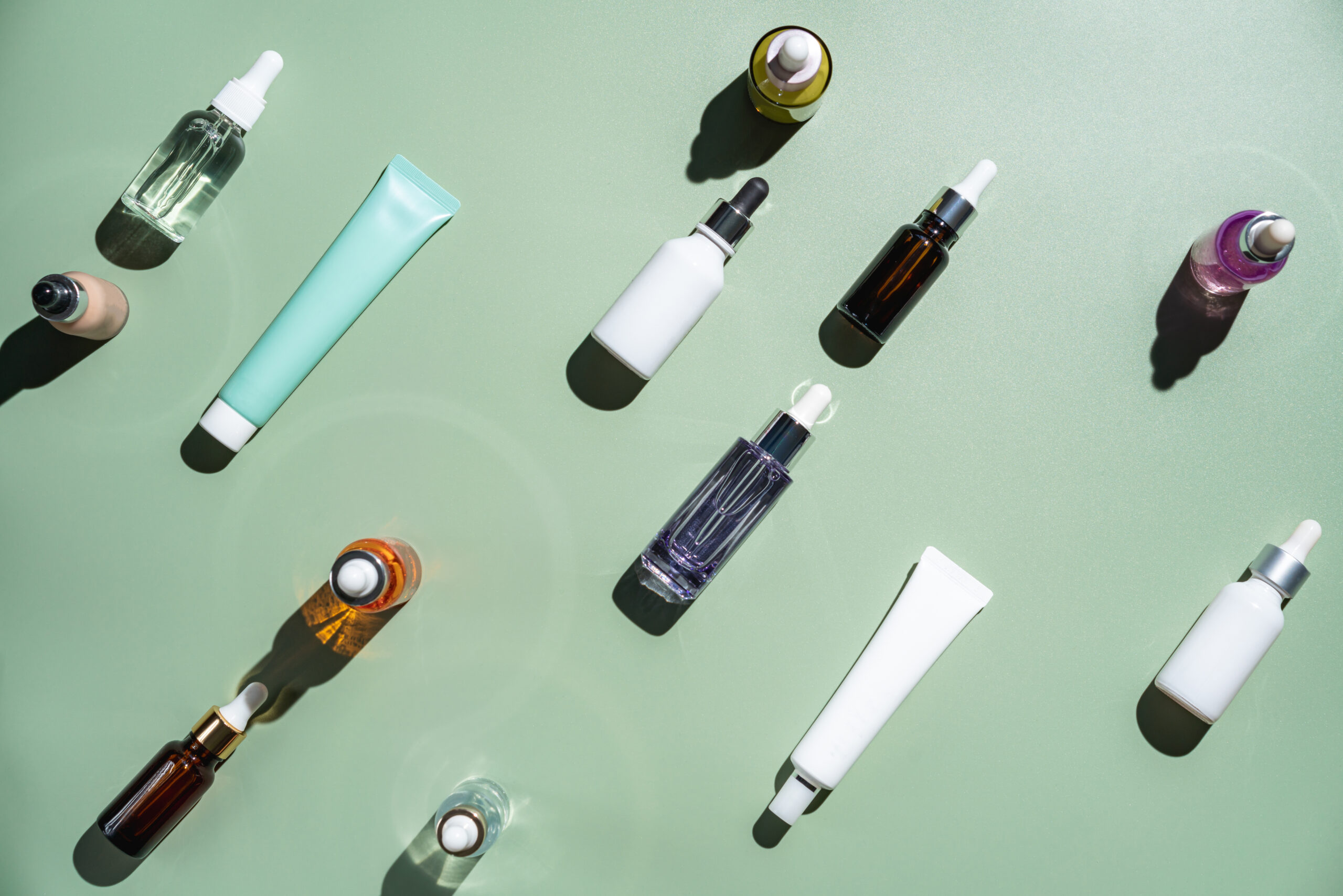
As seasons shift, your skincare routine should adapt to the changes around you.
Spring is a natural reset point not just for your wardrobe, but for your beauty routine. Warmer temperatures, increased humidity, and more sun exposure all change how your skin behaves, which means the products and habits that worked in winter may no longer serve you.
According to Dr. Kiran Mian, DO, FAAD, board-certified dermatologist at Hudson Dermatology & Laser Surgery, this is the ideal time to reassess what you’re using and more importantly, what you should let go of. Join us as we review Dr. Mian’s recommendations as reported in a recent printed edition of US Weekly.
Why spring is the right time to reset your skincare
Winter skincare tends to focus on heavy hydration and barrier repair. But as humidity rises, the skin’s needs change.
“Heavier products that feel comforting in colder months can start to feel occlusive as temperatures increase,” explains Dr. Mian.
“Spring is about adjusting your routine so it feels lighter, more breathable, and better aligned with your environment.”
This transition is not about doing more. It’s about refining your routine with intention.
1. Replace expired and ineffective products
One of the most overlooked aspects of skincare is product stability.
Ingredients like vitamin C are highly effective, but also highly unstable. Once they oxidize, they not only lose their benefits but may also contribute to irritation.
As highlighted in the original feature, color changes (yellow, orange, or brown) are clear signs that a formula is no longer performing as intended .
Similarly, sunscreen should be replaced regularly. Over time, active ingredients degrade, making SPF less reliable and potentially irritating. Using expired or oxidized products means you are no longer protecting your skin. You are exposing it to ineffective or even destabilized ingredients.
This personalized approach reflects a broader evolution in dermatology: patients are increasingly interested in preventive skin care strategies that improve skin health over time.
2. Simplify and clean your tools

Spring cleaning applies beyond skincare bottles.
Makeup brushes, sponges, and even shower tools can accumulate bacteria, oil, and product residue over time. According to US Weekly, brushes should be cleaned weekly and sponges replaced monthly to maintain hygiene .
Bathrooms, in particular, create the perfect environment for bacterial growth due to heat and humidity. Dirty tools can reintroduce bacteria to the skin, contributing to breakouts, irritation, and even worsening conditions like acne or dermatitis.
3. Refresh your mascara and eye products
Eye products are especially prone to contamination.
Mascara, for example, should be replaced every 3 to 6 months due to repeated exposure to bacteria. The eye area is delicate, and using expired products increases the risk of irritation, infections, and inflammation, which are issues that can extend beyond cosmetic concerns.
4. Transition to lighter, breathable moisturizers
One of the most important seasonal shifts is texture. Dr. Mian recommends moving away from heavier creams and toward lighter formulations:
“Switching to a lighter hydrator, such as a gel cream, can provide effective hydration while feeling breathable on the skin,” she explains.
As humidity increases, the skin retains moisture more easily. Heavy creams can feel occlusive, potentially leading to congestion or breakouts, especially in acne-prone individuals. Gel-based moisturizers deliver hydration without overwhelming the skin, making them ideal for spring and summer.
5. Let go of heavy barrier creams (when appropriate)
Winter routines often rely on thick barrier creams to protect against cold, dry air. But in spring, these may no longer be necessary.
Dr. Mian notes that this is a good time to scale back:
“You can let go of thicker barrier creams and instead opt for lighter, more refreshing forms of hydration.”
Continuing to use overly rich products when your skin no longer needs them can lead to clogged pores, excess oil, and an imbalanced skin barrier. The goal is not to eliminate barrier support, but to adapt it through the year and as you age.
6. Incorporate hydrating mists for on-the-go refresh
Spring also brings more time outdoors and more environmental exposure.
Dr. Mian suggests incorporating lighter hydration formats, such as facial mists:
“A light, hydrating mist can offer a quick refresh throughout the day,” she says .
Mists can help maintain hydration, soothe the skin, and provide a subtle barrier against environmental stressors without disrupting makeup or layering.
7. Prioritize sunscreen as a daily essential
As sun exposure increases, sunscreen becomes even more critical.
Spring is the time to reassess your SPF. Both its effectiveness and whether you’re actually using it consistently. UV exposure is one of the primary drivers of premature aging, pigmentation, and long-term skin damage. Using fresh, stable sunscreen daily is one of the most impactful steps in any skincare routine.
Medical disclaimer
This article is for informational purposes only and does not constitute medical advice. Skincare products and treatments should be selected in consultation with a qualified dermatologist, especially for individuals with underlying skin conditions or sensitivities.


About Dr. Kiran Mian
Dr. Kiran Mian, DO, FAAD, is a board-certified dermatologist at Hudson Dermatology & Laser Surgery in New York City.
Known for her refined and practical approach, Dr. Mian focuses on creating skincare routines that are both effective and sustainable. Her philosophy emphasizes adapting skincare to lifestyle, environment, and seasonal changes rather than following rigid or trend-driven routines.
At Hudson Dermatology, she works closely with patients to build personalized treatment plans that integrate clinical treatments with everyday skincare, ensuring long-term skin health and consistency.